Beta Version

Monitoring Invasive Bird Species

כותרת

The Invasive Bird Monitoring Project invites birders and nature enthusiasts to take an active role in documenting establishment processes and rates of spread of invasive bird species, helping protect Israel’s rich biodiversity. This project is part of a broader national program for monitoring invasive species. Funded by the European Biodiversa+ partnership, coordinated by HaMaarag, led by the Ministry of Environmental Protection, in collaboration with the Israel Nature and Parks Authority and KKL-JNF.. The program has additional partners including the Israel Nature and Parks Authority, Keren Kayemeth LeIsrael – Jewish National Fund (KKL-JNF), and the Israel Center for Citizen Science at the Steinhardt Museum of Natural History, Tel Aviv University.

לוגואים

Monitoring

13

Invasive Bird Species

  • Outside
  • Medium
  • All Ages
  • Everywhere
  • All Year Long
  • Active
Why Monitor Invasive Species?

Invasive species have been spread with human assistance and are not part of the native ecosystem. In the absence of natural predators, these species can significantly damage natural ecosystems and native wildlife through competition, predation, or disease.

Quick response before they spread

Early detection through monitoring creates an opportunity to prevent future damage at a critical point in time.

Meta content

Systematic tracking

Makes it possible to identify invasion hotspots and range expansion.

Meta content

Field data builds dynamic distribution maps

These maps show how invasive species establish and expand over time, providing a clear picture of the risks they pose to native species and local ecosystems.

Meta content

Monitoring before or after management actions

Measuring the effectiveness of management tools used to control a specific invasive species.

Meta content

Reducing risks and costs

Invasive species also harm agriculture, infrastructure, and public health, and can become an environmental nuisance Monitoring helps reduce future damage.

Meta content

A foundation for policy and public engagement

Data are shared with the public and support decision-making and the development of policies to address invasive species.

Meta content
How does it work?

We build dynamic distribution maps for 13 key invasive species — and your information is essential. If you see any of the “target” species, please: Report it on eBird!

Do not hesitate to report, even if you are in the middle of a city and not at a well-known birding site or nature reserve. In fact, most of these invasive species live and thrive in human-dominated areas, especially urban and suburban environments. Every observation, even from a backyard or neighborhood park, contributes to an accurate and essential picture.

Species to Report

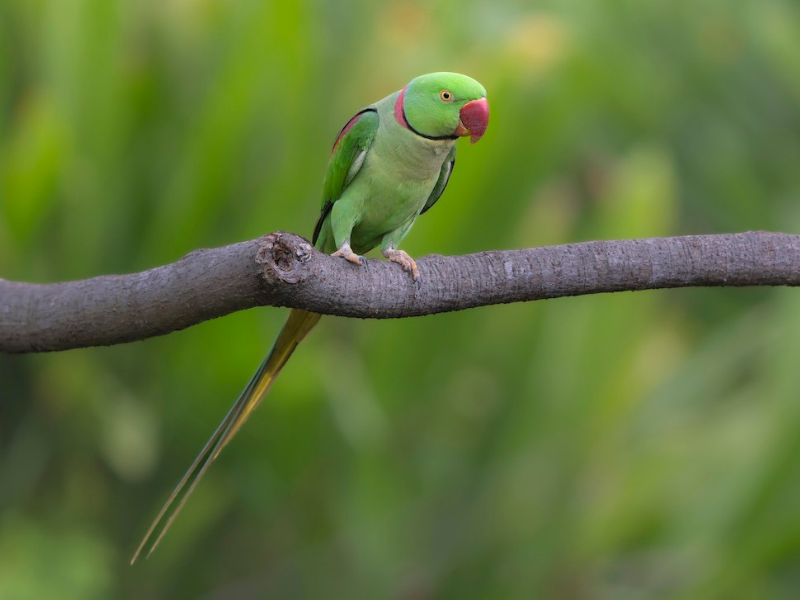
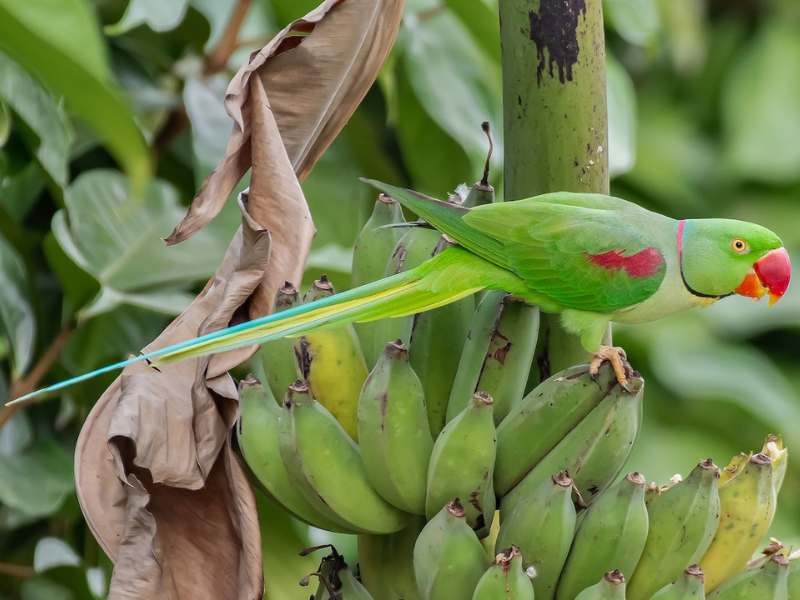
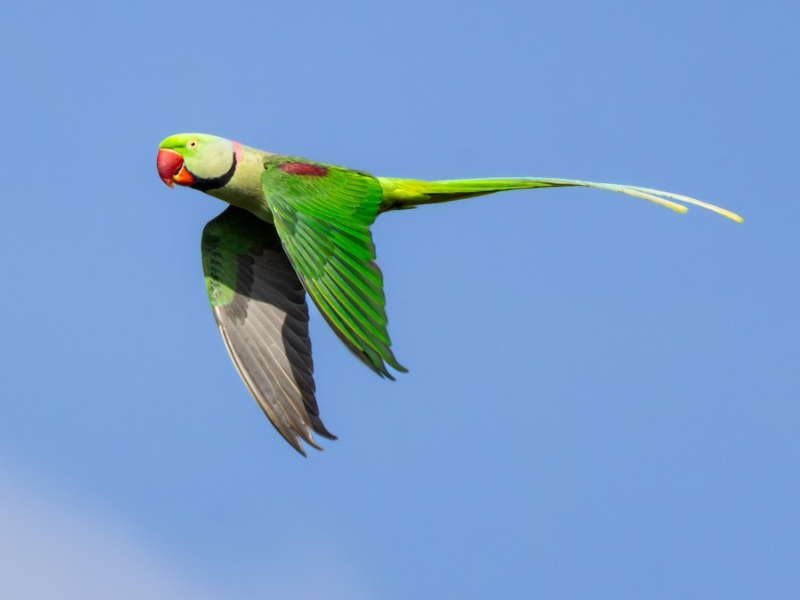
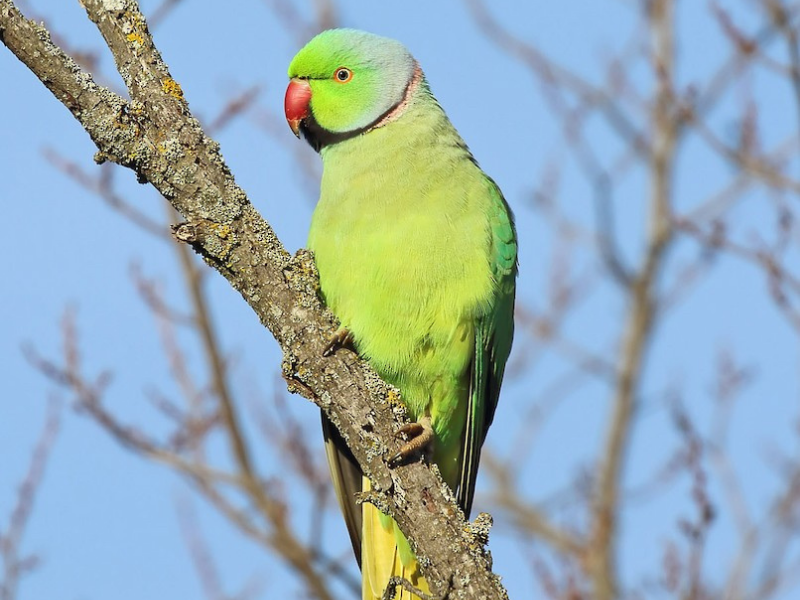
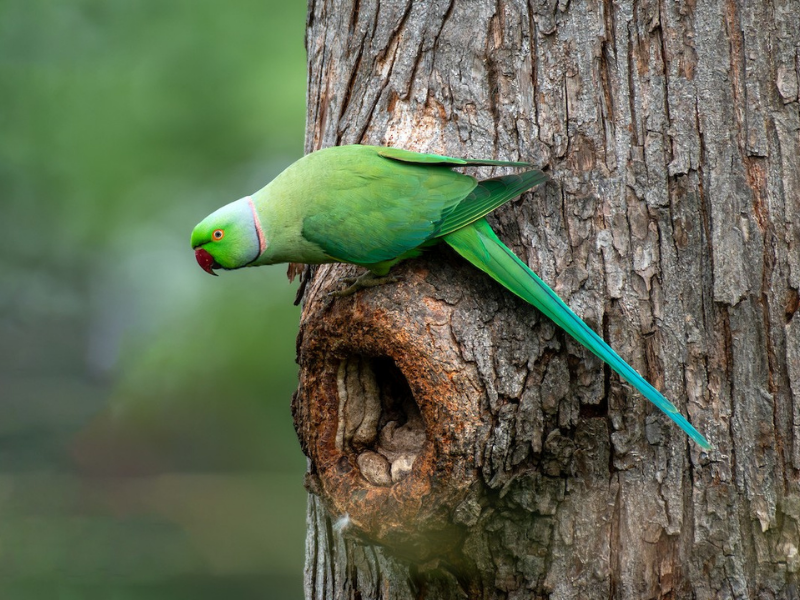
Some species on the list are very similar to one another, such as the Alexandrine parakeet and the rose-ringed parakeet, so please only submit records when you are 100% sure of the identification.

Click the species name for information and photos.

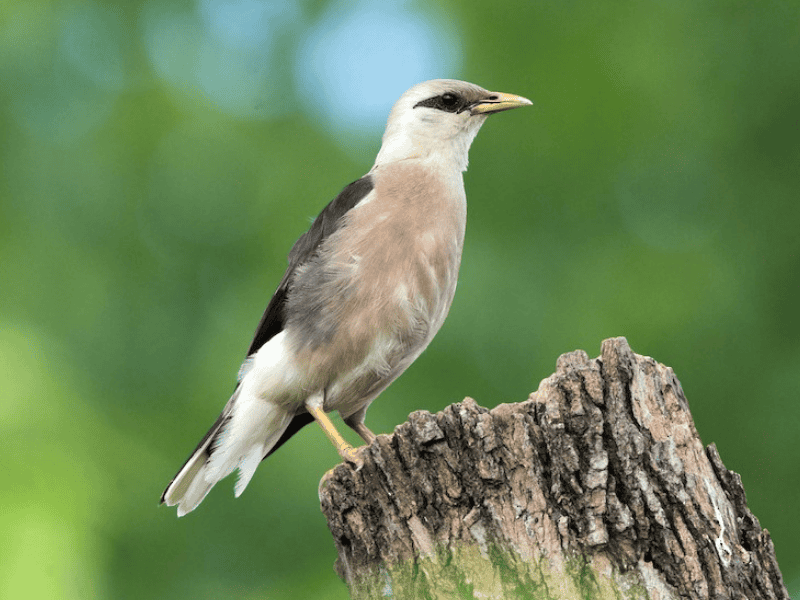
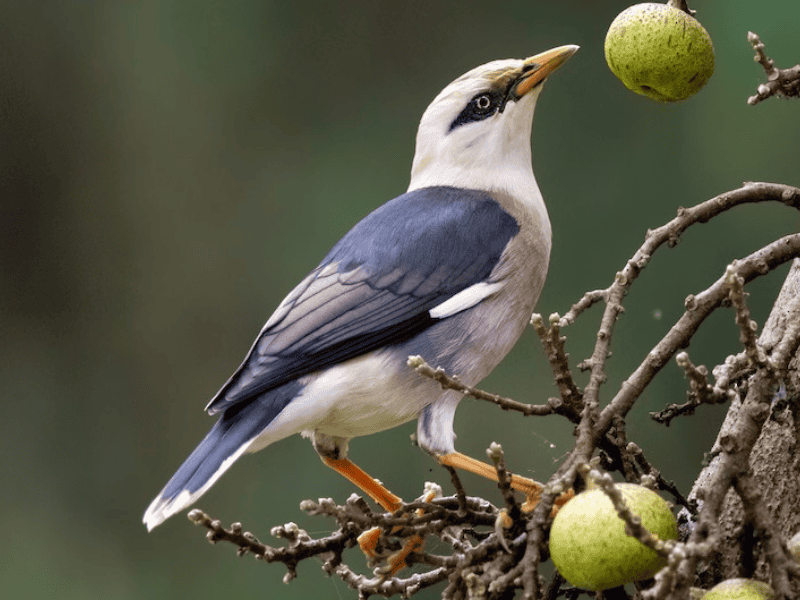
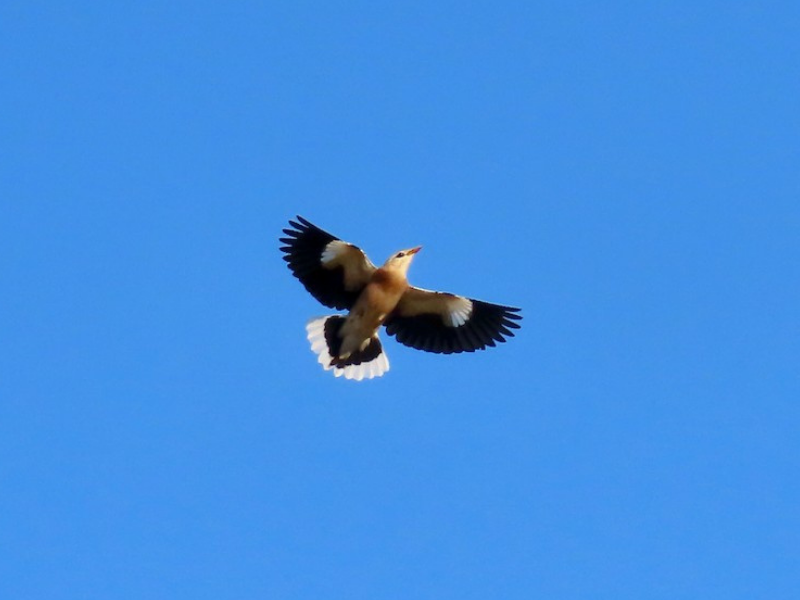
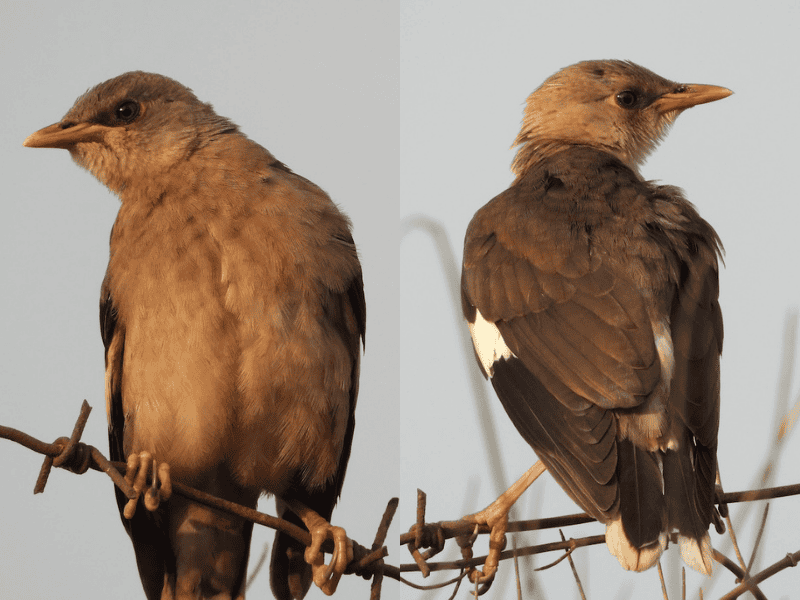
זרזיר בורמזי דרומי. צילום: David IrvingVinous-breasted myna

Acridotheres leucocephalus

Original range: Southeast Asia.
Arrival in Israel: Probably in the late 20th or early 21st century, from individuals that escaped or were released from captivity.
Preferred habitats: Mainly urban and suburban areas, parks and gardens.
Known distribution in Israel so far: There are observations from built-up areas, mainly in central Israel. The species is in the process of establishing itself.

Possible risks of spreading in natural habitats

  • Competition with native species: for food resources (fruits, insects) and for nesting sites (tree cavities, nest boxes), which can displace native species such as the Great Tit and the House Sparrow.
  • Disease transmission: There is potential for disease transmission to native species.
  • Agricultural damage: May cause damage to orchards and agricultural crops.

Characteristics

  • Size: Between a Common Starling and a Common Myna.
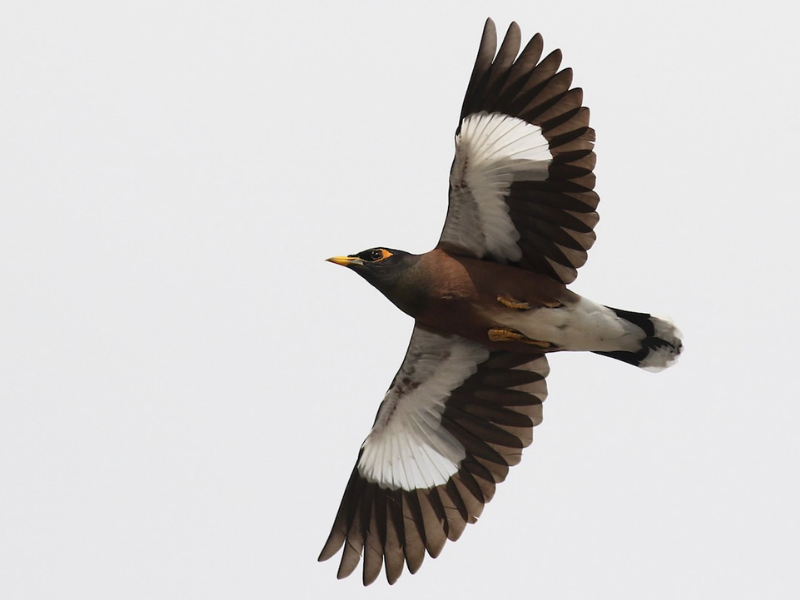
    Appearance: Pale or white head with a dark body and distinctive white wing patches visible in flight.
  • Breeding: Nests in cavities.
  • Social behavior: Usually found in flocks.
  • Diet: Omnivorous; feeds mainly on fruits, seeds, insects, and human food waste.
  • Interesting fact: Its call is loud and raucous.

Similar species and key identification features: Very similar to the Common Myna. The main distinguishing feature is the pale white head, compared to the dark head of the Common Starling and the Common Myna. The Common Myna also has a yellow patch around the eye.

זרזיר בורמזי דרומי. צילום: David Irving
זרזיר בורמזי דרומי. צילום: Martti Siponen
זרזיר בורמזי דרומי. צילום: Noah Isakov
זרזיר בורמזי דרומי צעיר. צילום: איתי ברגר

מיינה מצויה. צילום: Oscar ThomasCommon myna

Acridotheres tristis

Original range: The Indian subcontinent and Southeast Asia.
Arrival in Israel: Probably brought to Israel as a pet. It spread very rapidly from individuals that escaped or were released, starting around the 1990s.
Preferred habitats: Mainly urban and suburban areas, agricultural land, parks and gardens.
Known distribution in Israel so far: Very common in almost every town and settlement in Israel. One of the most widespread and damaging invasive bird species in the country.

Possible risks of spreading in natural habitats

  • Aggressive competition for food and nesting sites: Displaces native species (such as house sparrow, Syrian woodpecker, hoopoe, great tit and Eurasian jay) from their feeding and nesting sites. Known to eat the eggs and nestlings of native species.
  • Agricultural damage: Causes significant damage to orchards (especially fruit trees), vineyards and field crops.
  • Noise and fouling: Large flocks create noise, droppings and fouling in residential areas.
  • Disease transmission: There is potential for transmitting diseases and parasites.

Characteristics

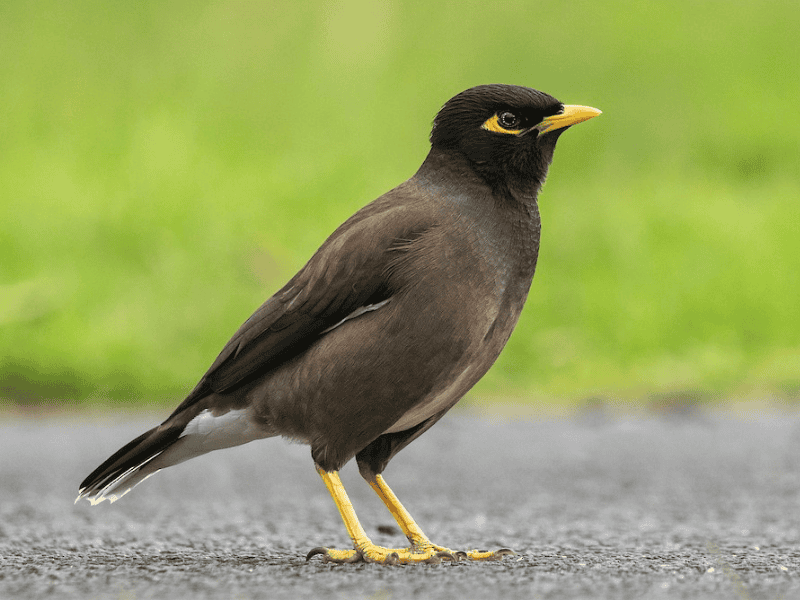
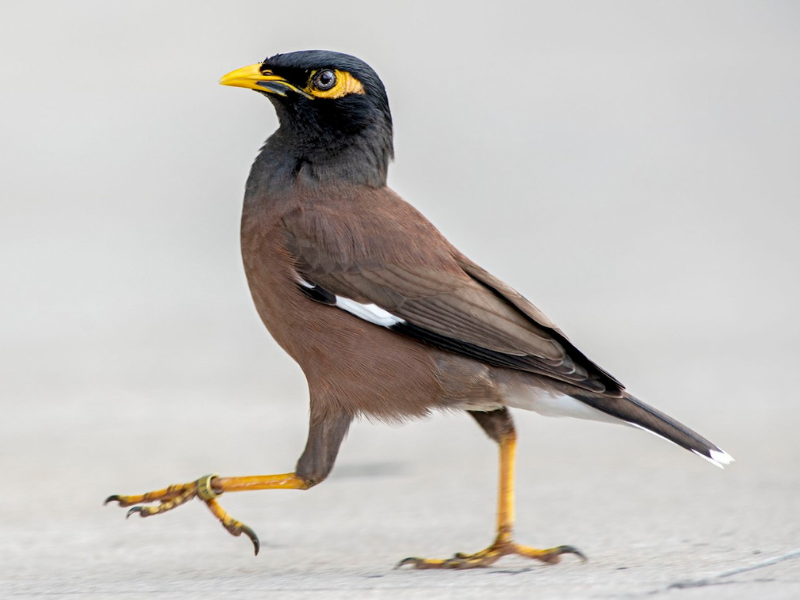
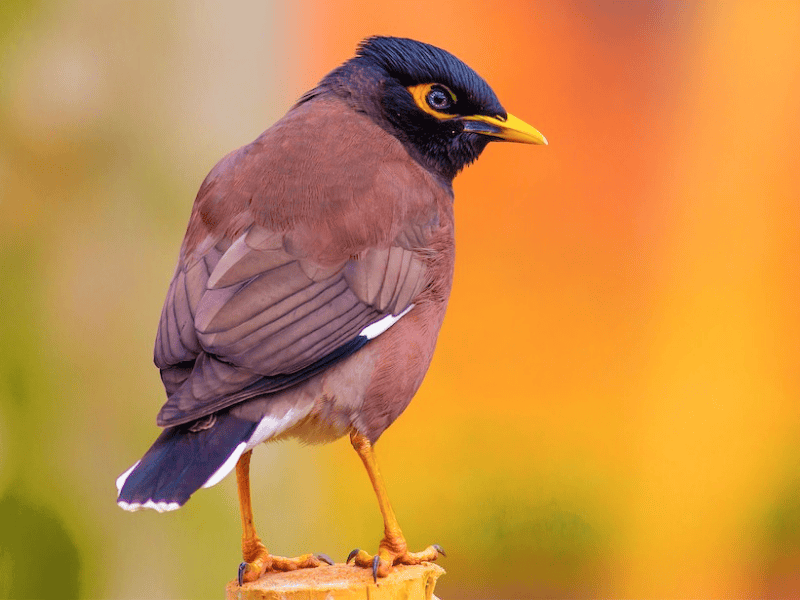
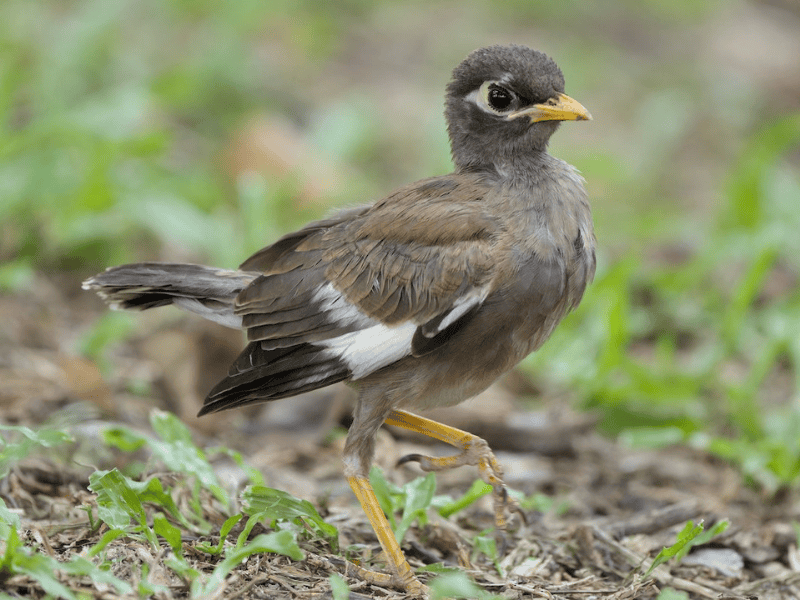
  • Medium-sized bird, about 23 cm long. The body is dark brown to black, with a dark head and neck, yellow legs and a conspicuous orange patch around the eye. In flight, a large white patch on the wing is visible. Its walking on the ground is very noticeable.
  • Breeding: Reproduces rapidly. Nests in natural cavities (trees) and artificial ones (buildings, roofs, nest boxes). Breeds several times per year, with 3–6 eggs in each clutch.
  • Social behaviour: Gathers in large flocks, especially before communal roosting.
  • Diet: Omnivorous. Feeds on insects, fruit (especially soft fruit), seeds, eggs and nestlings of other birds, and human food scraps.
  • Interesting information: One of the 100 most harmful invasive species in the world according to the IUCN. Very intelligent, with a strong ability to imitate sounds.

Similar species and identification tips: Similar to the Burmese starling, but can be distinguished by the orange patch around the eye. Differs from the Eurasian blackbird by the white patches on the wing. Its quick, confident walk on the ground is also characteristic.

מיינה מצויה. צילום: Oscar Thomas
מיינה מצויה. צילום: Denny Swaby
מיינה מצויה. צילום: Turhan Alak
מיינה מצויה. צילום: Gavin Aquila
מיינה מצויה צעירה. צילום: Sam Hambly

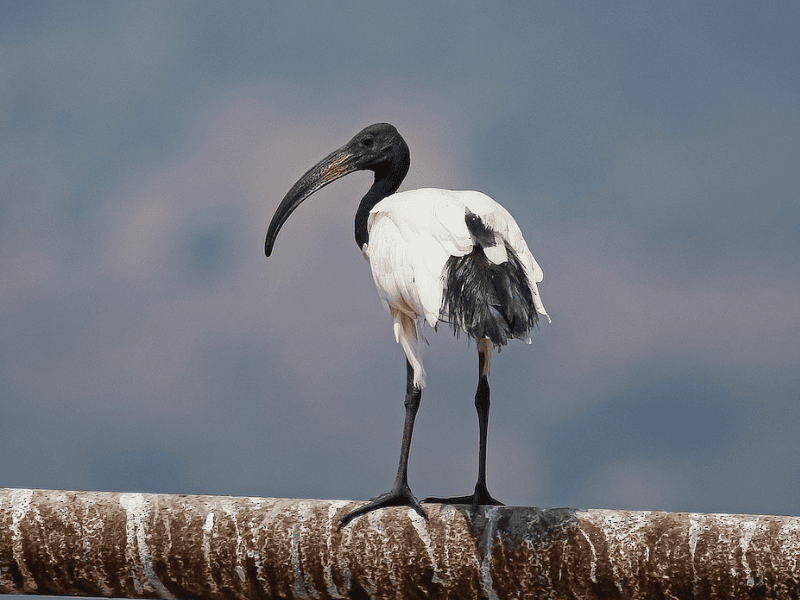
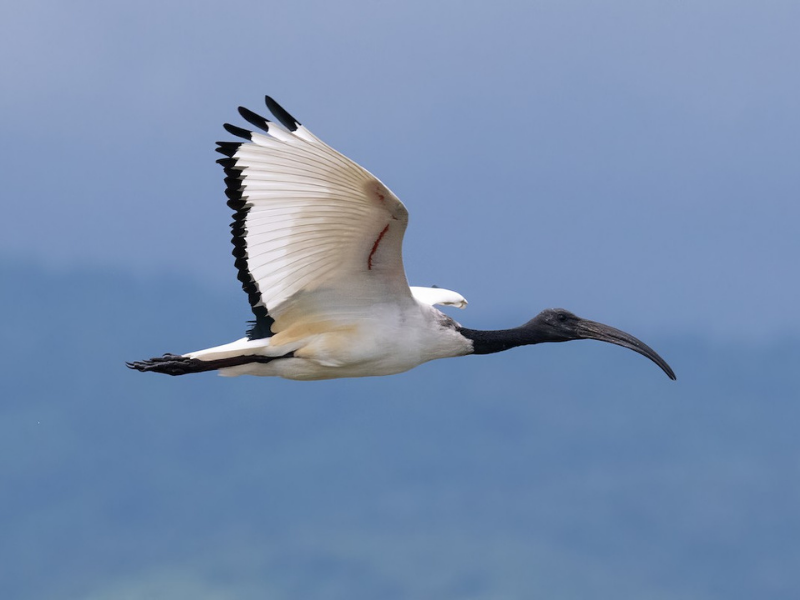
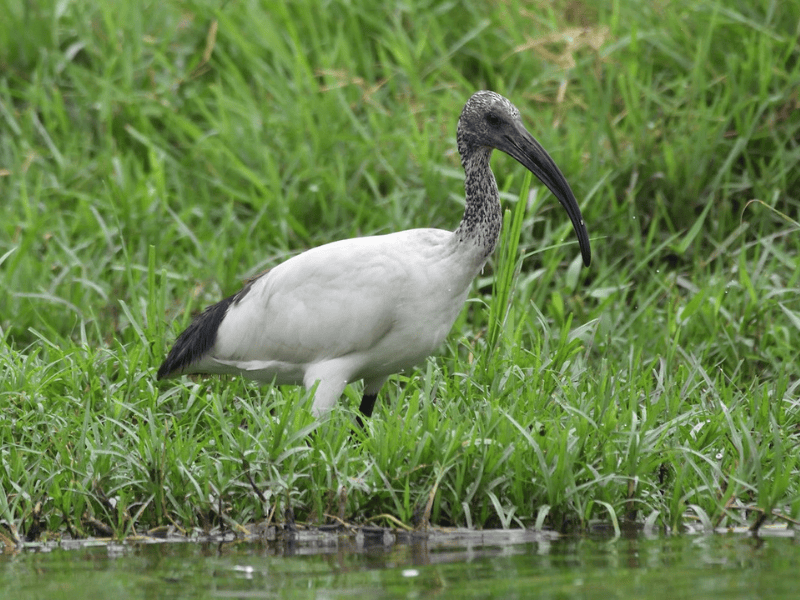
מגלן קדוש אפריקני. צילום: Garret SkeadAfrican Sacred Ibis

Threskiornis aethiopicus

Original range: Sub-Saharan Africa.
Arrival in Israel: Apparently began to establish in the 1990s, from individuals that escaped or were released from small animal collections and zoos.
Preferred habitats: Freshwater bodies (rivers, lakes, fishponds, reservoirs), mudflats, irrigated agricultural fields and garbage dumps.
Known distribution in Israel so far: Scattered populations in various regions, mainly in the Hula Valley, Jezreel Valley, Beit She’an Valley, the Judean Hills and the western Negev.

Possible risks of spreading in natural habitats

  • Competition for food and nesting sites: Competes with native waterbirds, mainly white egrets and spur-winged lapwings, for food sources (insects, fish, amphibians) and nesting sites (trees, shrubs).
  • Predation on eggs and chicks: Known to prey on the eggs and chicks of other waterbirds (ducks, pelicans).
  • Disease transmission: There is potential for transmitting diseases.
  • Damage to agriculture and fisheries: May damage fish farms and irrigated agricultural areas.
  • Sanitation issues: Foraging in garbage and its droppings may cause sanitation problems.

Characteristics

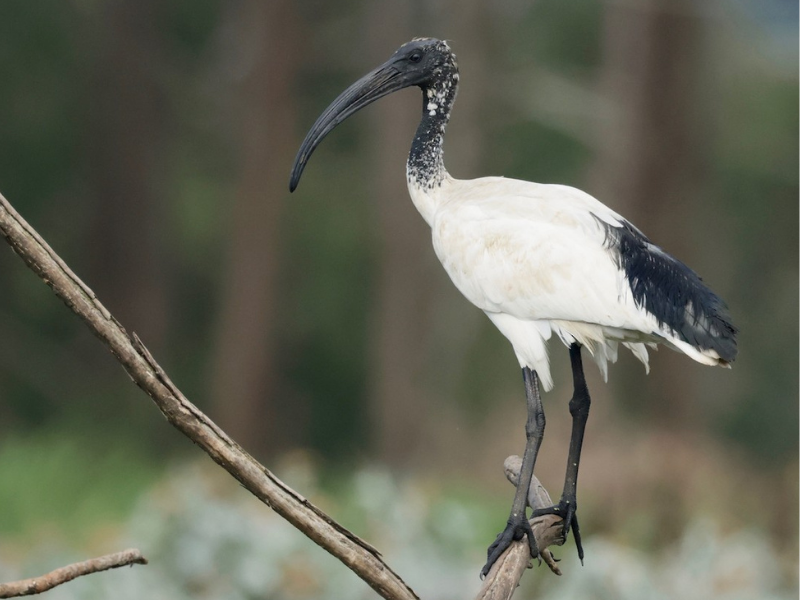
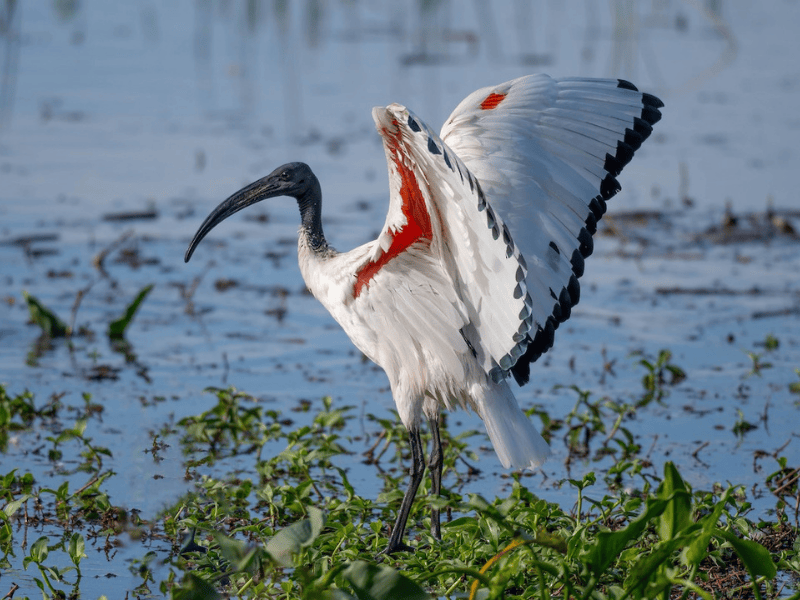
  • Large waterbird (about 65–75 cm). Mostly white, with a bare black head and neck. The bill is black, curved downward, and the legs are black.
  • Breeding: Nests in trees or shrubs near water. Clutch size is 2–4 eggs.
  • Social behaviour: Usually monogamous and nests in large groups, sometimes in mixed colonies with other waterbirds. Forages and roosts in flocks. Usually quiet, but produces croaking calls.
  • Diet: Omnivorous. Feeds on large insects, snails, worms, crustaceans, small fish, amphibians, carrion and human food waste.
  • Interesting information: In ancient Egypt it was considered sacred (which is the origin of its English and Hebrew names). Considered a very problematic invasive species in Europe (especially in France) and in other regions of the world.

Similar species and identification tips: Its unique appearance (white body with bare black head and bill) distinguishes it from most waterbirds in Israel.

מגלן קדוש אפריקני. צילום: Garret Skead
מגלן קדוש אפריקני. צילום: Terence Alexander
מגלן קדוש אפריקני. צילום: שחר יוגב
מגלן קדוש אפריקני. צילום: Alex and Julia
מגלן קדוש אפריקני צעיר. צילום: Santiago Caballero Carrera

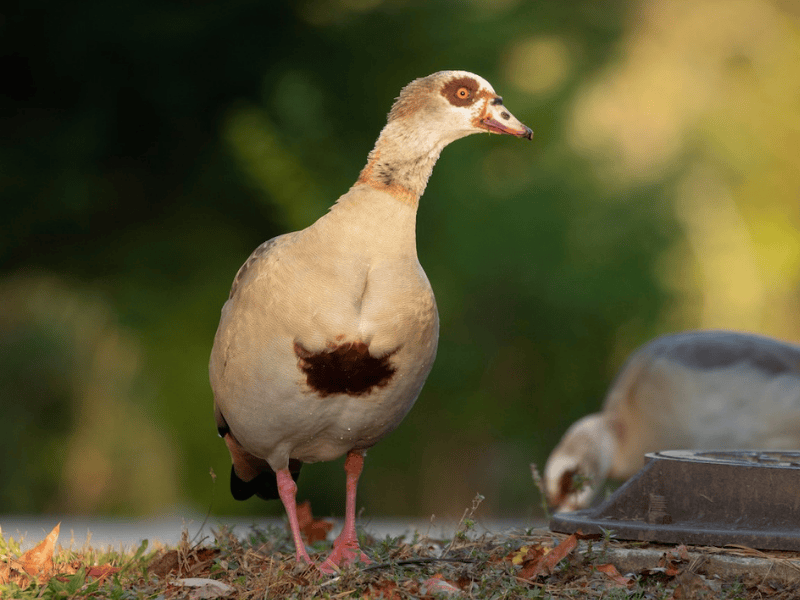
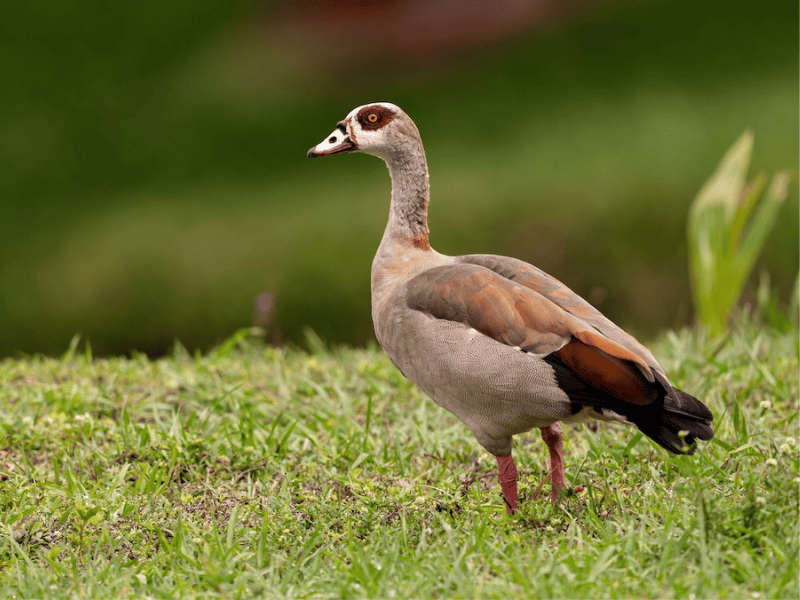
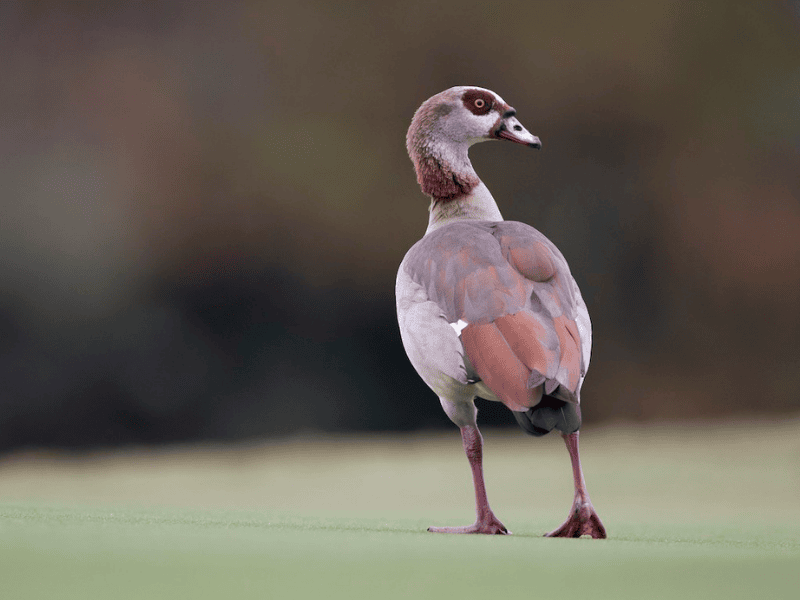
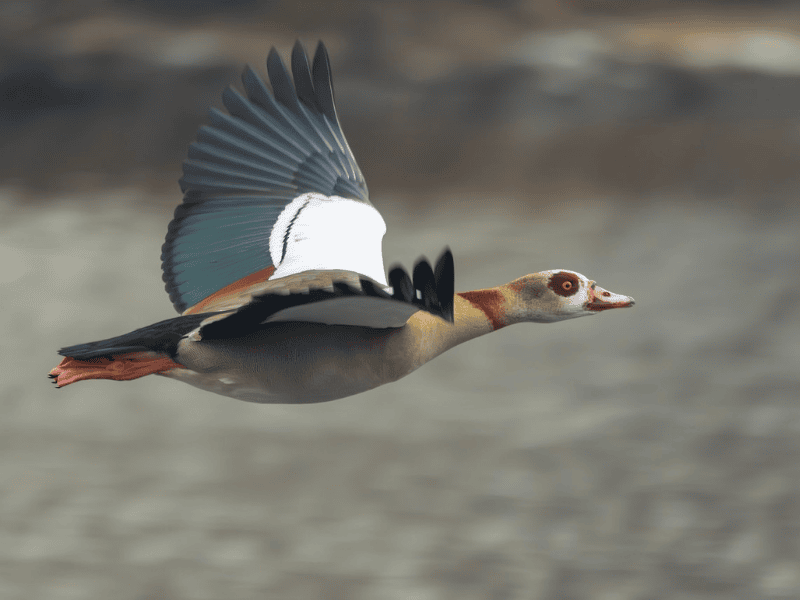
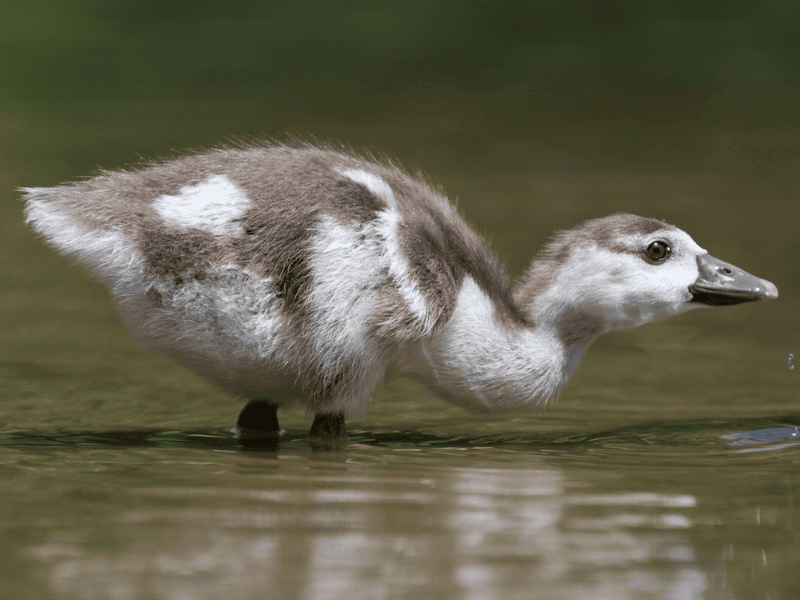
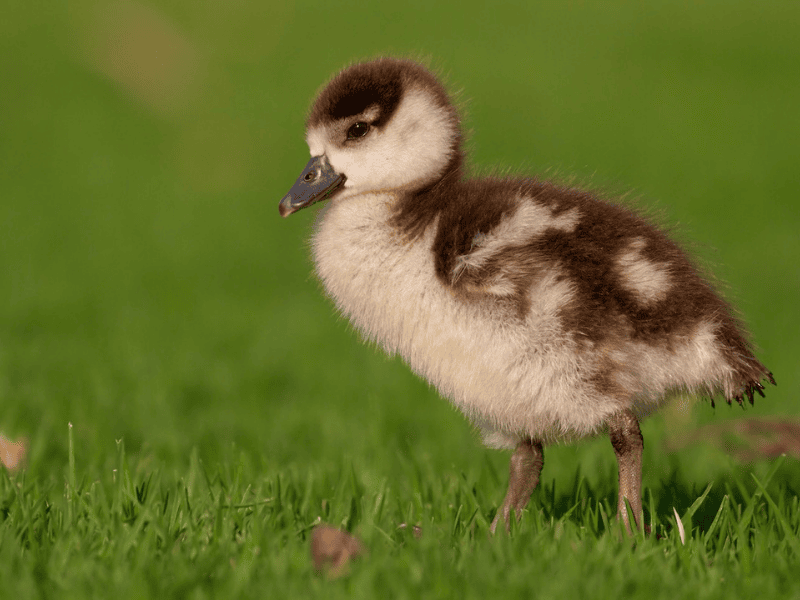
יאורית מצרית. צילום: Alicia AmbersEgyptian Goose

Alopochen aegyptiaca

Original range: Sub-Saharan Africa and the Nile Valley.
Arrival in Israel: A formerly native species that lived in Israel in the distant past but became locally extinct. It reappeared in Israel from the 1980s and 1990s, from individuals brought as ornamental waterfowl that bred in captivity or escaped.
Preferred habitats: Freshwater bodies (rivers, lakes, ponds, reservoirs) and urban parks with water.
Known distribution in Israel so far:Common mainly in central Israel and the Judean Hills, and spreading rapidly north and south along rivers and other freshwater habitats.

Possible risks of spreading in natural habitats

  • Competition with native ducks and waterbirds: Competes with native ducks and other waterbirds for food sources and nesting sites. Known for aggressive behaviour in the breeding season.
  • Disease transmission: There is potential for transmitting diseases to other waterbirds.
  • Damage to aquatic vegetation and banks: Grazing and trampling on aquatic and riparian plants.
  • Damage to sensitive ecosystems: In some areas its activity may affect local biodiversity.

Characteristics

  • Large goose (length 63–73 cm) with a distinctive dark brown “eye patch” and a brown patch on the chest. Body colour is light brown-grey with dark brown and black patches. The wings have a white patch and metallic green.
  • Breeding: Nests on the ground among shrubs, in tree cavities or in abandoned buildings. Has a long breeding season and lays 5–12 eggs.
  • Social behaviour: Usually seen in small flocks throughout the year, mainly for protection against predators. In the breeding season, flocks split into monogamous pairs, with the male more territorial and aggressive in defending the nesting site and young. Generally quiet outside the breeding season, but very noisy during courtship and territorial defence.
  • Diet: Mainly herbivorous, feeding on grass, leaves, seeds and aquatic plants. Sometimes also eats small insects.
  • Interesting information: Considered sacred in ancient Egypt. Has a loud, harsh call, especially in flight.

Similar species and identification tips: Difficult to confuse with native ducks because of its size and distinctive features, especially the dark eye patch.

יאורית מצרית. צילום: Ronan Nicholson
יאורית מצרית. צילום: Alicia Ambers
יאורית מצרית. צילום: Michael Stubblefield
יאורית מצרית. צילום: Nathaniel Dargue
יאורית מצרית צעירה. צילום: Ana Amaral
אפרוח יאורית מצרית. צילום: Sasha Cahill

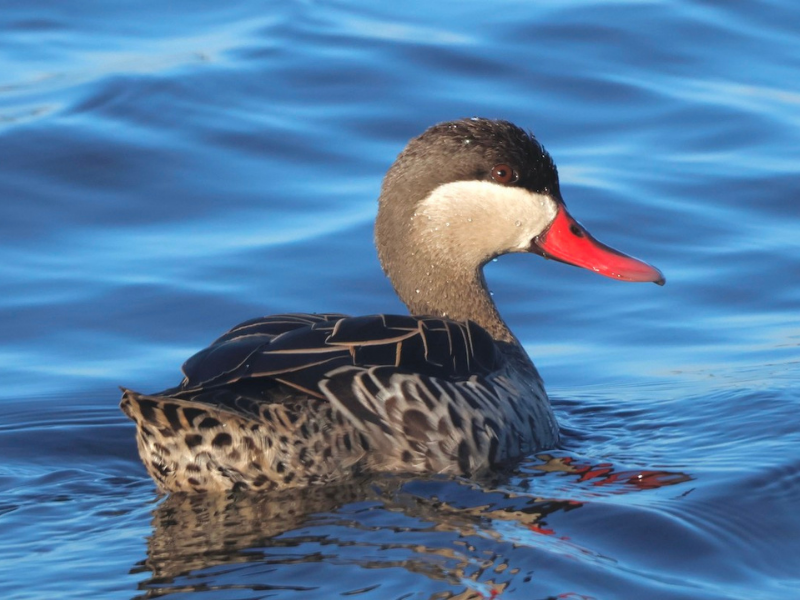
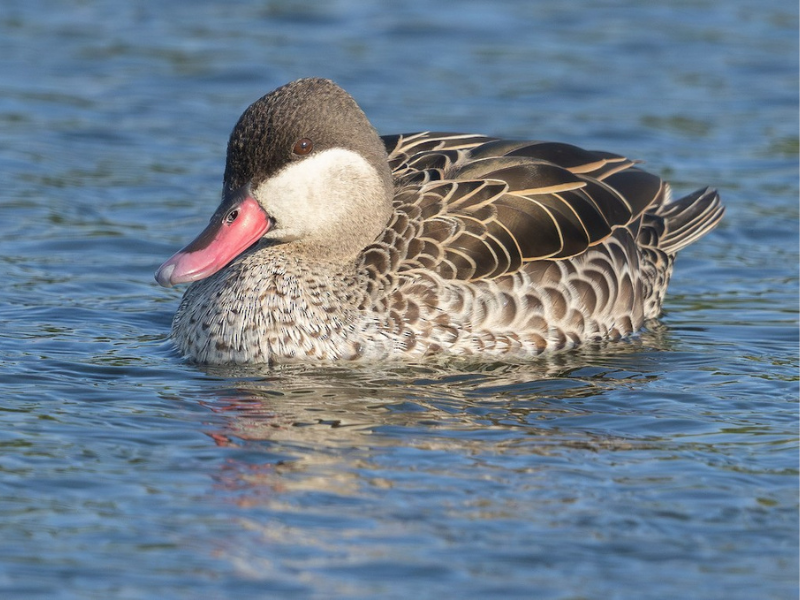
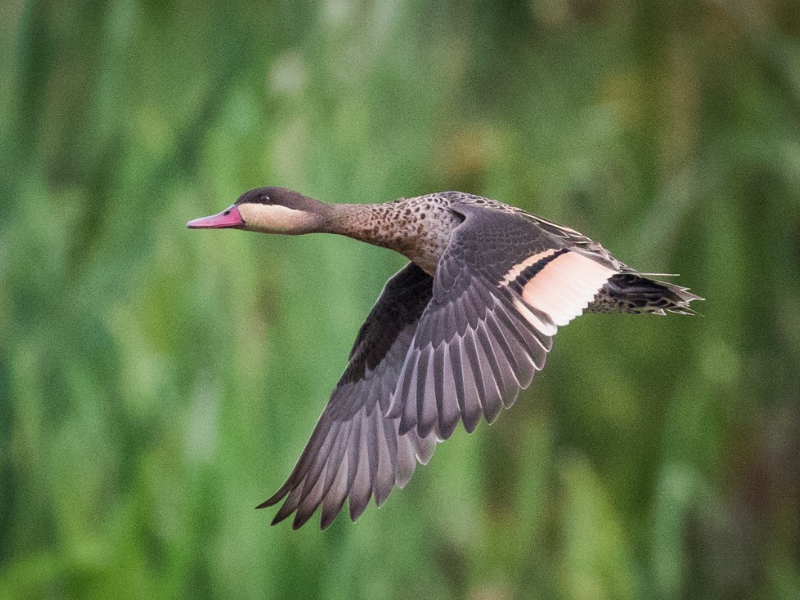
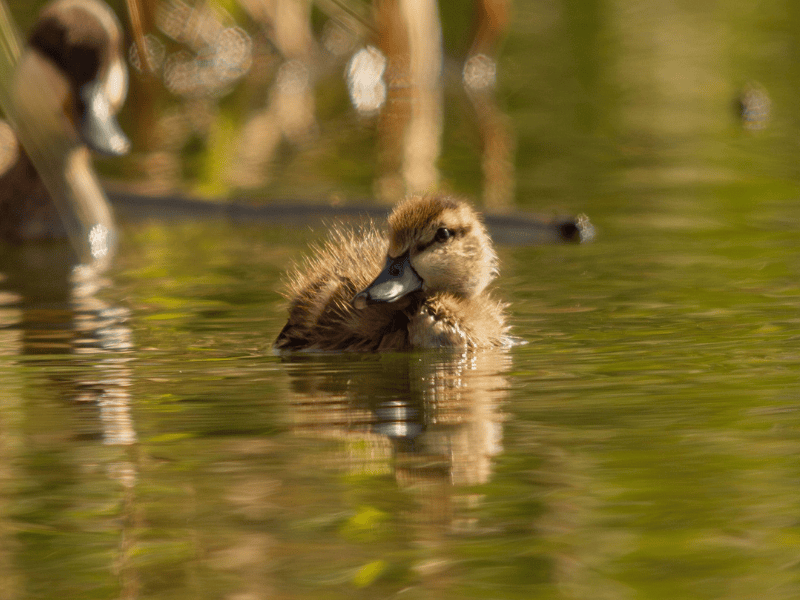
שרשיר אדום-מקור. צילום: Luke GoddardRed-billed teal

Anas erythrorhyncha

Original range: Southern and eastern Africa.
Arrival in Israel: The origin of the individuals in Israel is unclear.
Preferred habitats: Freshwater bodies such as ponds, reservoirs and streams.
Known distribution in Israel so far: A few scattered, irregular records, mainly in central and northern Israel. It is not yet considered an established, widespread invasive species in Israel.
Possible risks of spreading in natural habitats

  • Hybridization with native species: Potential to hybridism with native duck species, which may harm their genetic pool.
  • Competition for resources: Competes with native ducks for food sources and nesting sites.
  • Disease transmission: There is a risk of disease transmission.

Characteristics

  • Relatively small duck, about 43–48 cm. The body is mottled brown grey, the head is dark with a dark forehead and crown, and the most distinctive feature is its red pink bill.
  • Breeding: Nests near water, sometimes in dense vegetation. Clutch size is 6–12 eggs.
  • Social behaviour: Very social outside the breeding season and forms large flocks. Tends to be relatively quiet.
  • Diet: Feeds mainly on seeds of aquatic plants, small insects and other invertebrates.
  • Interesting information: Popular as an ornamental waterbird because of its bill color.

Similar species and key identification features: The key identification feature is the red-pink bill. Its size is similar to other teals, but its colours are more similar to those of some native duck species.

שרשיר אדום-מקור. צילום: Luke Goddard
שרשיר אדום-מקור. צילום: Adam Buckham
שרשיר אדום-מקור. צילום: Skip Russell
שרשיר אדום-מקור צעיר. צילום: Retief Williams

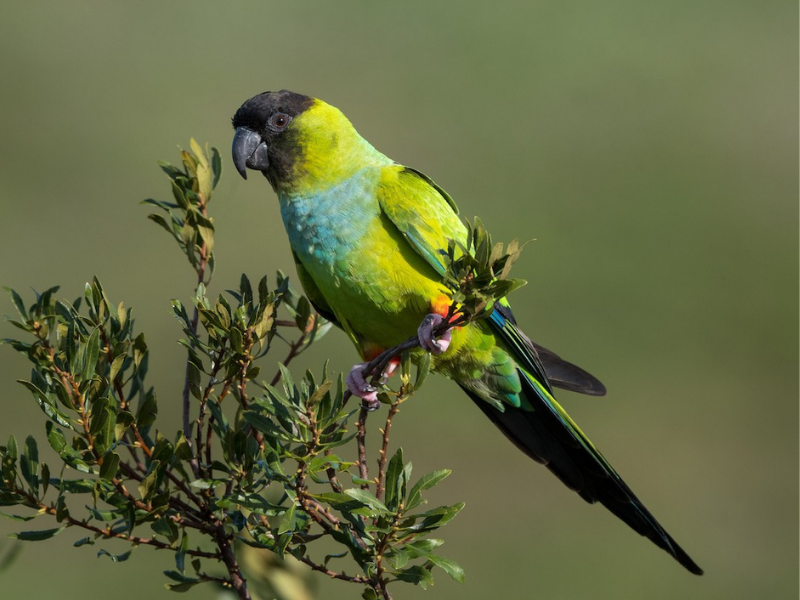
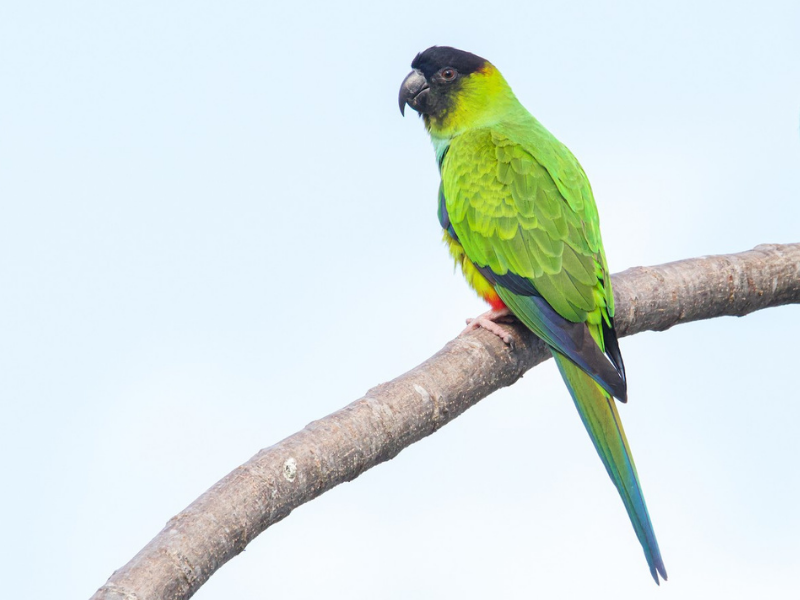
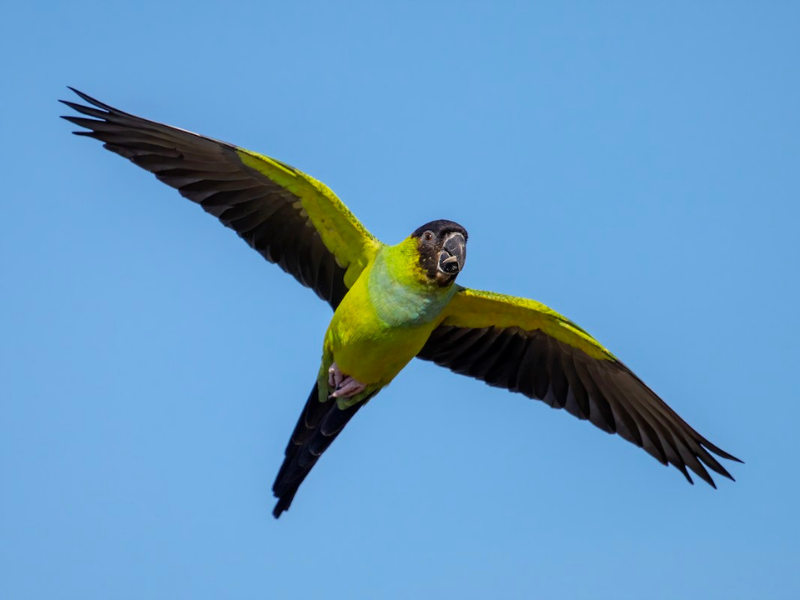
קוניור שחור ראש. צילום: Braxton LandsmanNanday (black-hooded) parakeet

Aratinga nenday

Original range: South America.
Arrival in Israel: Probably since the late 1990s, from individuals that escaped from captivity.
Preferred habitats: Urban and suburban areas, parks and gardens with tall trees.
Known distribution in Israel so far: A few scattered records, mainly in areas with rich vegetation.

Possible risks of spreading in natural habitats

  • Competition for nesting sites: Competes with native cavity nesters such as sparrows, great tits, Syrian woodpeckers, hoopoes and barn owls, and may displace them.
  • Agricultural damage: Has the potential to damage orchards, mainly fruit trees.
  • Damage to native vegetation: Through intensive feeding on fruit and seeds.
  • Damage to native vegetation: Through intensive feeding on fruit and seeds.

Characteristics

  • Medium sized parrot, about 30 cm long. Mostly green, with a prominent black head
  • Breeding: Nests in tree cavities, buildings and sometimes large nest boxes. Clutch size is 3–5 eggs.
  • Social behaviour: Forms large, noisy flocks, usually seen in tall trees.
  • Diet: Feeds on fruit, seeds, nuts and buds.
  • Interesting information: Popular as a pet, intelligent and very vocal.

Similar species and key identification features: Differs from monk parakeets and other parrots by its black head.

קוניור שחור ראש. צילום: Melissa James
קוניור שחור ראש. צילום: Braxton Landsman
קוניור שחור ראש. צילום: Dorian Anderson

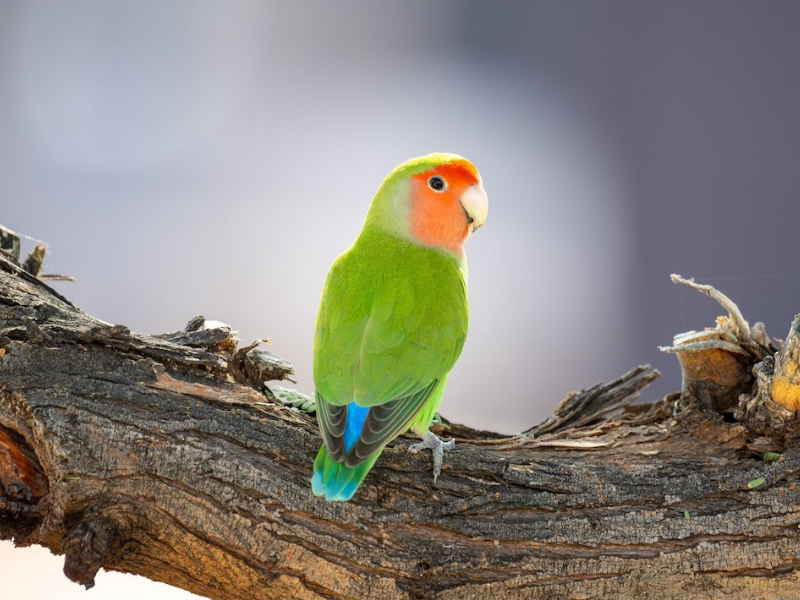
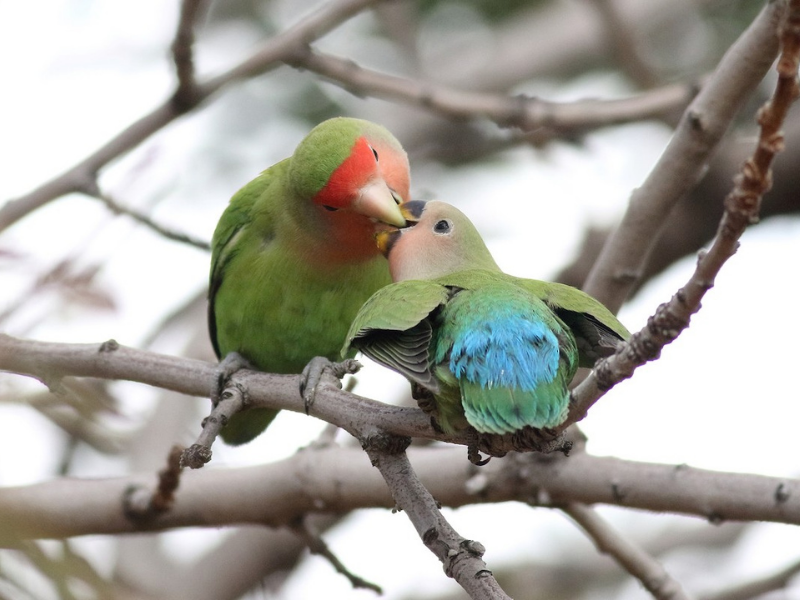
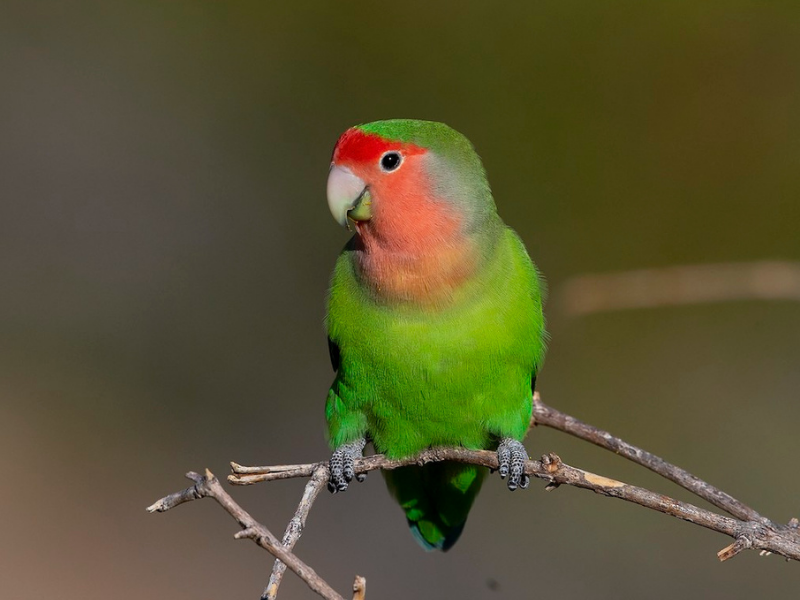
הבני ורוד פנים. צילום: Niall D PerrinsRosy-faced lovebird

Agapornis roseicollis

Original range: Southwestern Africa.
Arrival in Israel: Probably in the late 1990s or early 2000s, following escapes or releases from captivity.
Preferred habitats: Urban and suburban areas with dense vegetation, parks and gardens.
Known distribution in Israel so far: Sporadic records throughout the country.

Possible risks of spreading in natural habitats

  • Competition for nesting sites: Nests in cavities in trees, walls and power poles, and may compete with native species that use similar sites, although this impact has not yet been widely assessed.
  • Ecological damage: Potential to harm native vegetation through feeding on seeds and fruit.
  • Disease transmission: There is a risk of disease transmission.

Characteristics

  • Small parrot, about 17 cm long, known for its bright colors. The body is green to bluish, the head and neck are pink, and there is a blue patch on the lower back.
  • Breeding: Nests in large colonies in cavities, usually holes in trees or in buildings.
  • Social behaviour: Forms large, noisy and active flocks.
  • Diet: Mainly seeds and grains, but also buds and fruit.
  • Interesting information: Popular as a pet thanks to its striking colours and the strong pair bond it shows with its mate, hence the name “lovebird”.

Similar species and key identification features: Hard to confuse with native species because of its distinctive colours. Similar to other Agapornis parrots that may escape from captivity, but the rosy-faced lovebird is the most common among them.

הבני ורוד פנים. צילום: Niall D Perrins
הבני ורוד פנים. צילום: David Joiner

תוכי נזירי. צילום: Ryan SandersonMonk parakeet

Myiopsitta monachus

Original range: South America.
Arrival in Israel: First records from the 1990s, from individuals that escaped from captivity.
Preferred habitats: Urban and suburban areas with vegetation and parks.
Known distribution in Israel so far: Recorded throughout the country, but much less common than the rose-ringed parakeet.

Possible risks of spreading in natural habitats

  • Aggressive competition for food and nesting sites: Builds very large communal nests out of sticks, which can damage trees or structures. Competes for food and nesting sites.
  • Agricultural damage: Has the potential to cause serious damage to orchards and agricultural crops.
  • Noise nuisance: Large, noisy flocks that can be a serious disturbance.
  • Damage to infrastructure: Large nests built on electricity pylons can cause short circuits and power outages.

Characteristics

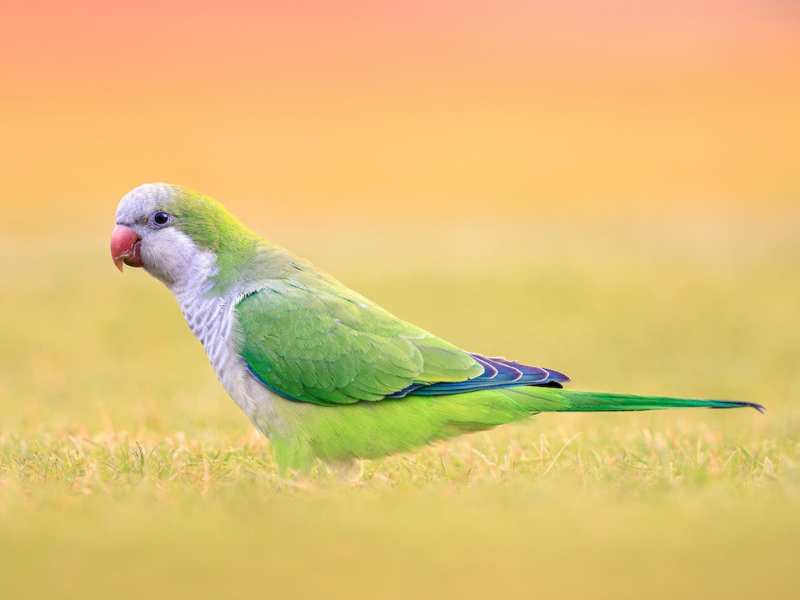
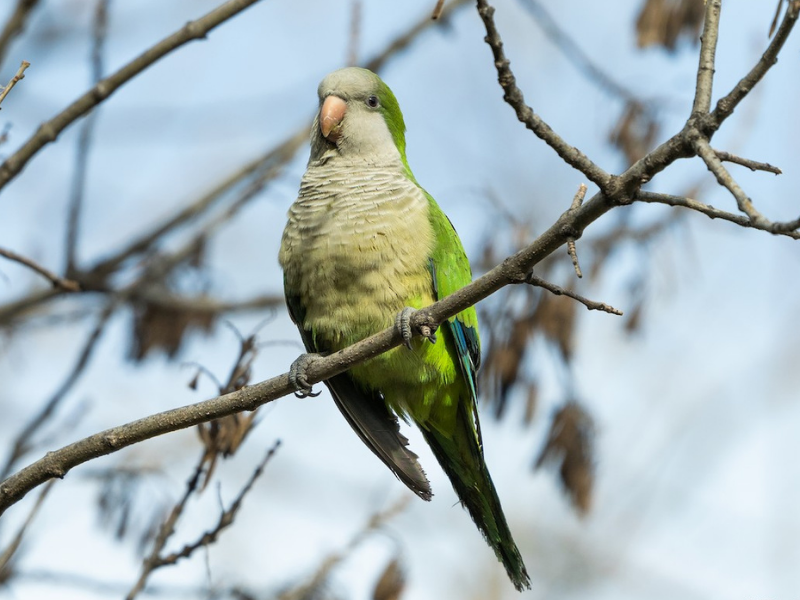
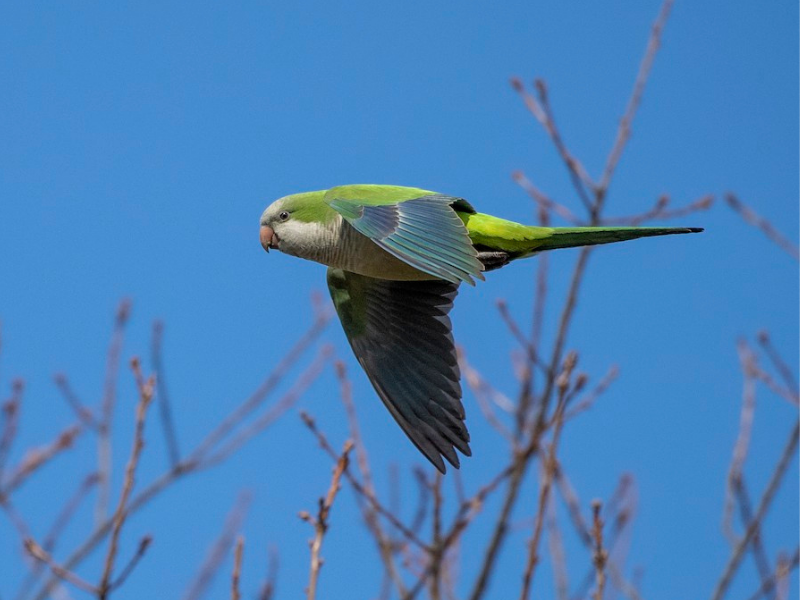
  • Medium sized parrot, about 29 cm tall. Bright green overall, with pale grey forehead, face, chest and belly, and a strong orange bill.
  • Breeding: Unique in building huge communal stick nests in which several pairs breed together. Reproduces rapidly.
  • Social behaviour: Forms large flocks.
  • Diet: Feeds on fruit, seeds, nuts and buds.
  • Interesting information: Considered a problematic invasive species in many parts of the world (such as the USA and Europe). Can live in a wide range of climates.

Similar species and key identification features: Distinctive with its grey chest and communal nest. May be confused with other medium sized parrots, but the grey chest is a clear distinguishing feature.

תוכי נזירי. צילום: Ryan Sanderson
תוכי נזירי. צילום: Kike Junco
תוכי נזירי. צילום: Michael Stubblefield

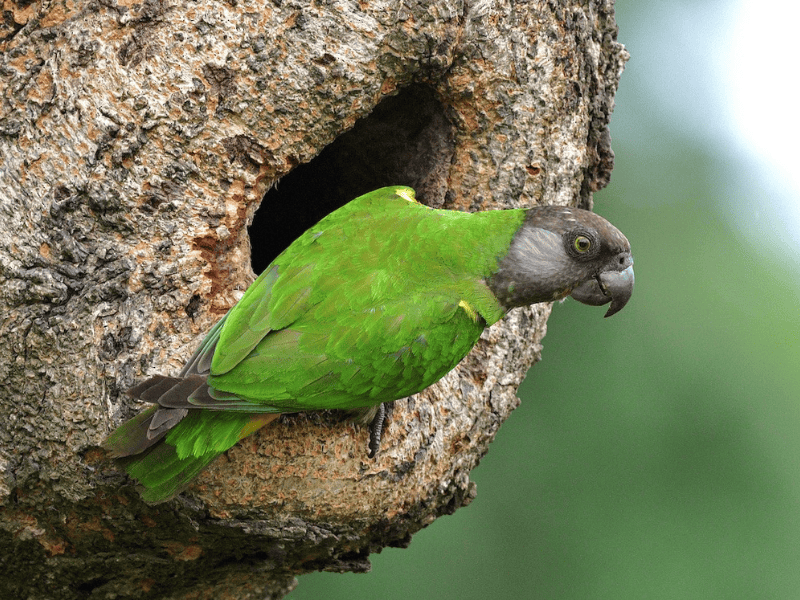
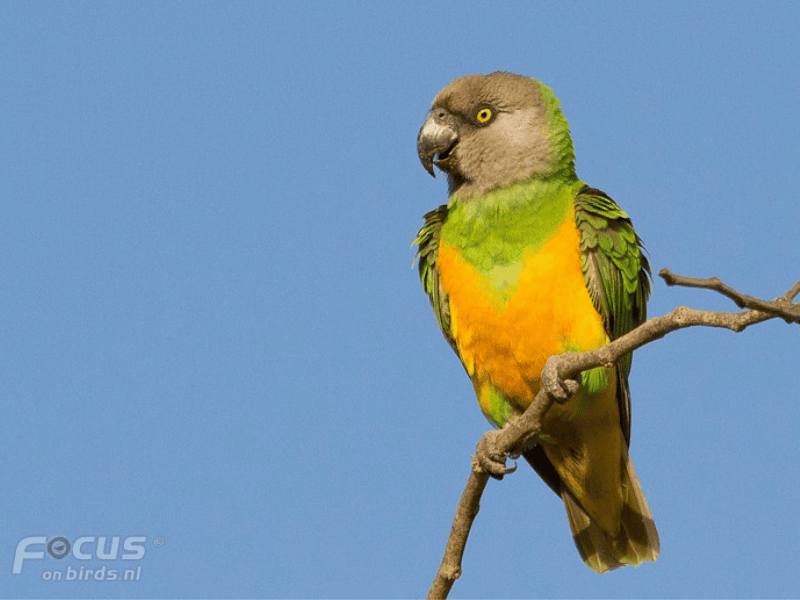
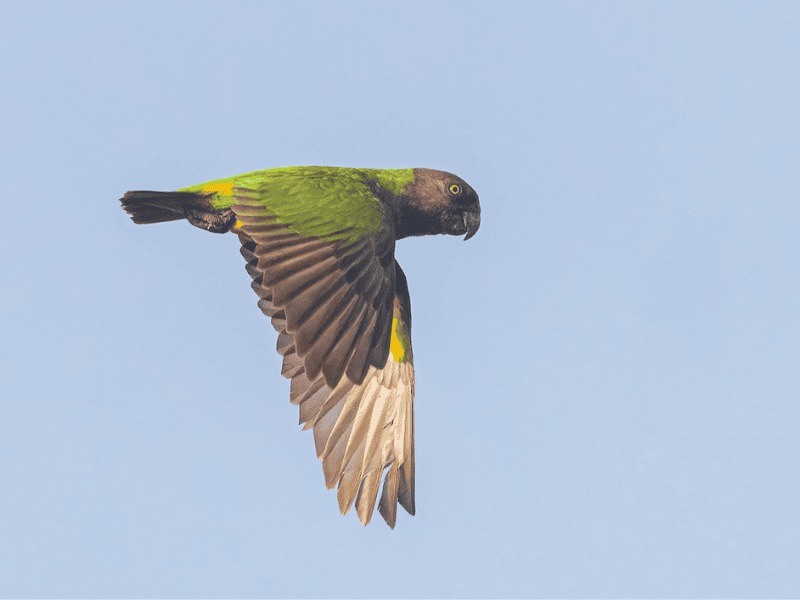
תוכי סנגלי. צילום: Mattias HofstedeSenegal Parrot

Poicephalus senegalus

Original range: West Africa.
Arrival in Israel: A few records since the 1990s, probably from birds that escaped from private captivity.
Preferred habitats: Urban and suburban areas, parks with trees.
Known distribution in Israel so far: A few scattered records, mainly in central Israel. Not yet an established invasive species or a stable breeding population.

Possible risks of spreading in natural habitats

  • Competition for nesting sites: Nests in cavities and may compete with native cavity nesters, although the impact is currently very limited.
  • Agricultural damage: Has the potential to damage orchards if it becomes established.

Characteristics

  • Small to medium parrot, about 23 cm long. Green body, grey head and a V shaped patch on the chest in yellow, orange or red. Large black bill.
  • Breeding: Nests in tree cavities.
  • Social behaviour: Usually seen in pairs or small groups.
  • Diet: Feeds on seeds, fruit, nuts and buds.
  • Interesting information: Very popular as a pet thanks to its friendly personality and ability to mimic speech.

Similar species and key identification features: The colourful V on the chest and grey head distinguish it from most other invasive parrots in Israel.

תוכי סנגלי. צילום: Gary Charlton
תוכי סנגלי. צילום: Mattias Hofstede
תוכי סנגלי. צילום: Pascal De Munck

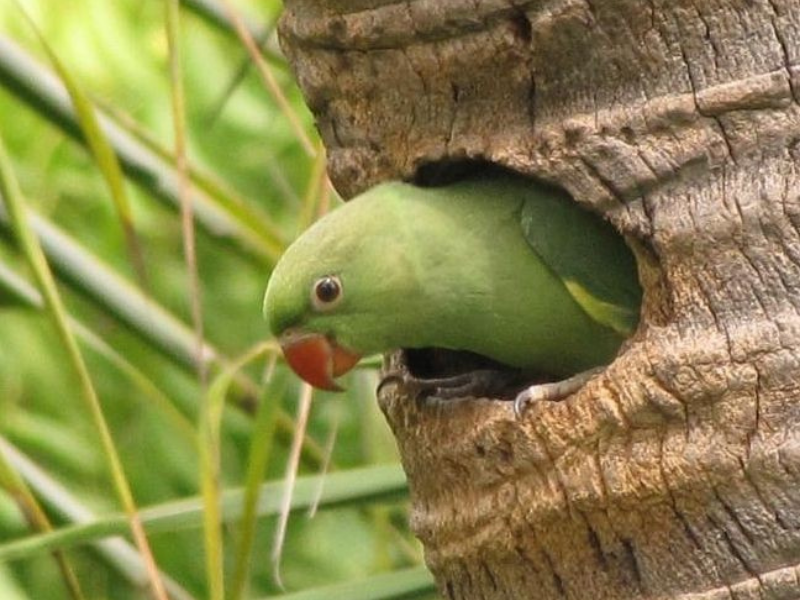
דררה אלכסנדרונית. צילום: Wasu VidayanakornAlexandrine Parakeet

Psittacula eupatria

Original range: South and Southeast Asia.
Arrival in Israel: First records from the 1980s, probably from individuals that escaped from captivity.
Preferred habitats: Urban and suburban areas with tall trees, mainly eucalyptus and palms.
Known distribution in Israel so far: Small, isolated colonies mainly in central Israel and the Judean Hills. Similar habitat use to the rose-ringed parakeet, but much less common.

Possible risks of spreading in natural habitats

  • Competition for nesting sites: Because of its large size, it competes aggressively for large tree cavities with native species such as Syrian woodpecker, hoopoe, barn owl and little owl.
  • Agricultural damage: Has the potential to damage orchards and field crops, mainly fruit and nuts.
  • Noise nuisance: Like many parakeets, very noisy in flocks.

Characteristics

  • Very large parrot, about 58 cm including the long tail. Mostly green, with a large red bill and a prominent red black neck ring. Has a dark maroon patch on the wing, which is harder to see from a distance.
  • Breeding: Nests in cavities in tall trees.
  • Social behaviour: Seen in flocks, usually in tall trees.
  • Diet: Feeds on fruit, seeds, nuts and buds.
  • Interesting information: Named after Alexander the Great, who according to legend brought it to Europe.

Similar species and key identification features: Similar to the rose-ringed parakeet, but significantly larger. Key identification features are the red black neck ring and the maroon patch on the wing.

דררה אלכסנדרונית. צילום: Wasu Vidayanakorn
דררה אלכסנדרונית. צילום: Natthaphat Chotjuckdikul
דררה אלכסנדרונית. צילום: Vikram

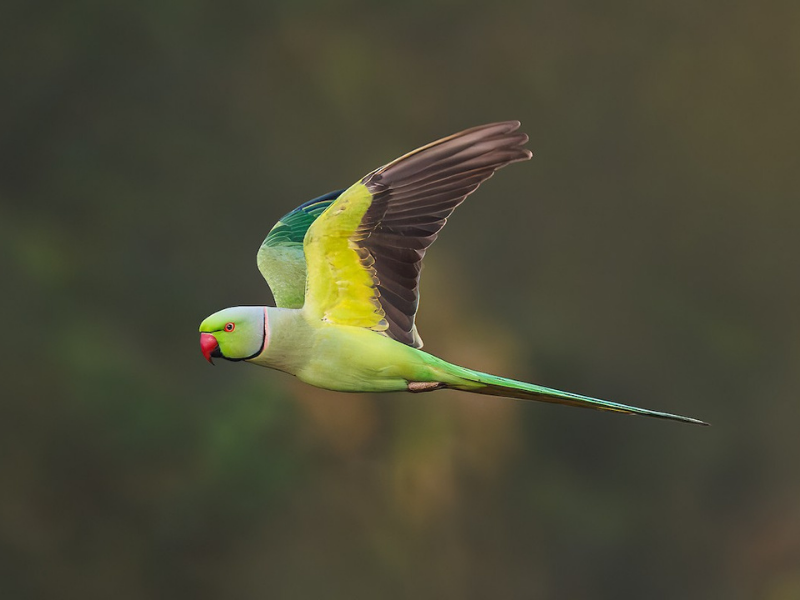
דררה מצויה. צילום: Jorge García MoraRose-ringed parakeet

Psittacula krameri

Original range: Naturally occurs in two separate regions: a broad belt in sub-Saharan Africa and in South Asia.
Arrival in Israel: Brought to Israel for private keeping in the 1970s. Birds that escaped or were released formed an invasive population that began to establish in the 1980s and spread rapidly.
Preferred habitats: Urban and suburban areas, gardens, parks, planted forests and agricultural land.
Known distribution in Israel so far: Common in every town and settlement in central and northern Israel and the Judean Foothills. Spreading to more distant regions.

Possible risks of spreading in natural habitats

  • Aggressive competition for nesting sites: Nests in tree cavities, nest boxes and building walls. Competes very effectively with native species (Syrian woodpecker, hoopoe, great tit, barn owl, several warblers and others) and displaces them from nesting sites. Considered a particularly serious threat.
  • Agricultural damage: Causes significant damage to orchards (fruit, almonds, figs), agricultural fields (maize, grains) and vineyards.
  • Noise and fouling: Large flocks create substantial noise, especially at roost sites, and heavy fouling from droppings.
  • Disease transmission: There is potential for disease transmission to native species.

Size and appearance:

  • Bright green parrot, about 40 cm including the long, graduated tail. Large red bill and long tail. Males have a pink black neck ring.
  • Breeding: Nests in cavities, usually laying 2–6 eggs. Reproduces rapidly and successfully.
  • Social behaviour: Forms large, noisy flocks, especially before communal roosting in tall trees.
  • Diet: Feeds on fruit, seeds, nuts, buds, flowers and human food scraps.
  • Interesting information: One of the most widespread invasive parrots in the world, found in Europe, the USA and Japan. Known for its ability to mimic sounds.

Similar species and key identification features: The bright green colour and red bill are prominent features. Males can be recognised by the pink black neck ring. May be confused with the Alexandrine parakeet, which is larger.

דררה מצויה. צילום: Jorge García Mora
דררה מצויה. צילום: Kalyan Gantait
דררה מצויה. צילום: Hari K Patibanda
דררה מצויה צעירה. צילום: Sathyanarayana Srinivasan

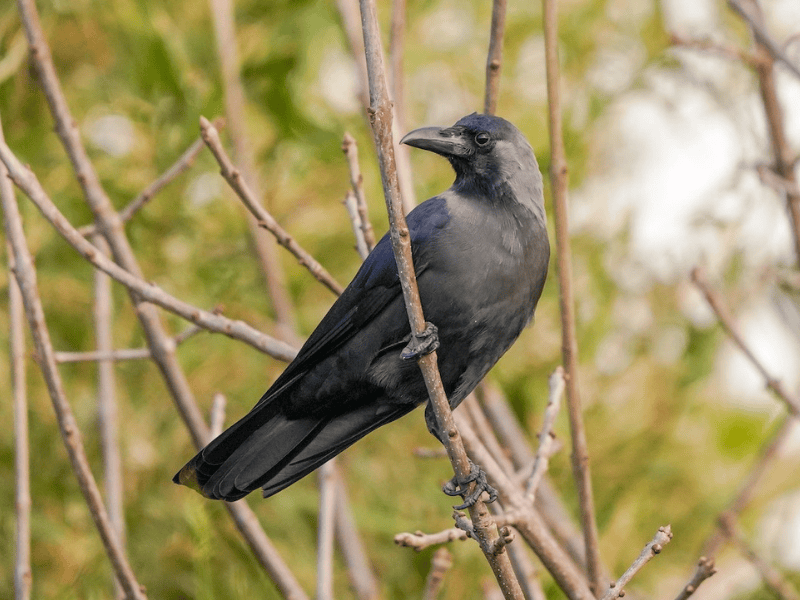
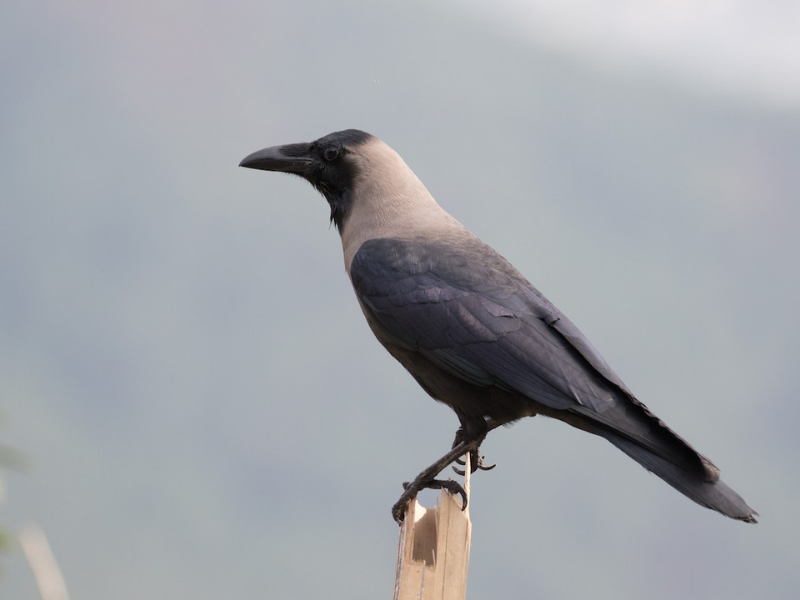
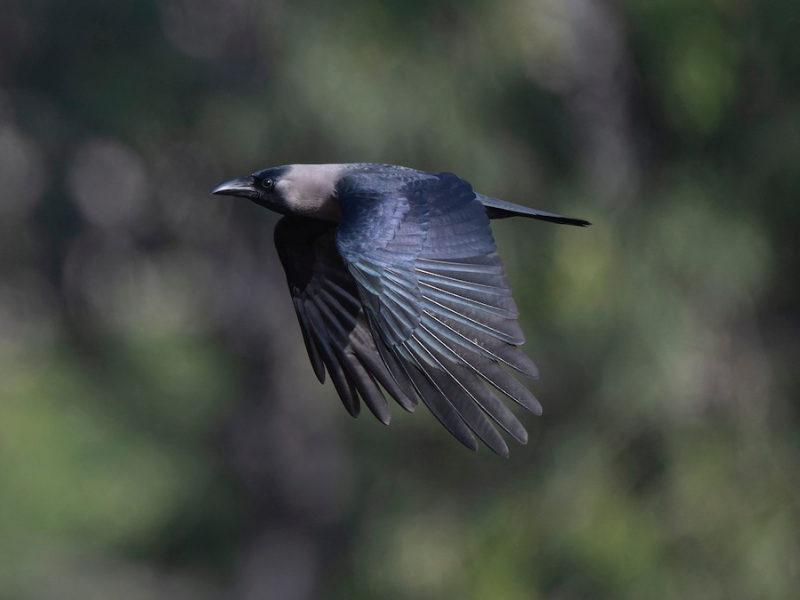
עורב הודי. צילום: William HearnHouse crow

Original range: The Indian subcontinent.
Arrival in Israel: Arrived in Eilat by ship in the late 1990s. Identified as a highly problematic invasive species in the city.
Preferred habitats: Urban areas and ports, mainly in Eilat.
Known distribution in Israel so far: Currently limited to the Eilat region and its immediate surroundings. There is serious concern about its possible spread northwards.

Possible risks of spreading in natural habitats

  • Aggressive competition with native species: Preys on eggs and nestlings of native birds, including rare and protected species in the Eilat region. Competes for food and nesting sites.
  • Agricultural damage: May damage agricultural crops.
  • Sanitation problems: Breeds rapidly in built up areas and causes considerable noise, droppings and fouling, and sanitation issues near people.
  • Disease transmission: There is potential for transmitting diseases to humans and other animals.
  • Efficient predator: Considered a top predator in urban environments.

Size and appearance

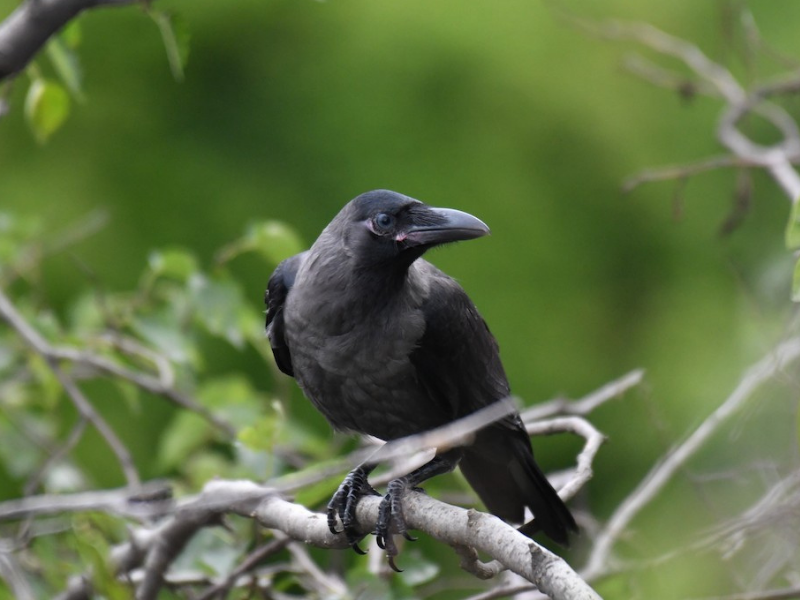
  • Medium sized crow, about 40 cm, smaller than the native hooded crow. Black body with grey neck and chest.
  • Breeding: Nests in trees and buildings and reproduces rapidly.
  • Social behaviour: Forms large, noisy flocks, usually near human food sources.
  • Diet: Omnivorous. Feeds on almost anything, including human food waste, insects, eggs and nestlings, carrion, fruit and seeds.
  • Interesting information: Considered one of the 100 most harmful invasive species in the world. In Eilat, active control measures have been carried out to prevent its spread.

Similar species and key identification features: Similar to the hooded crow but smaller, with a darker grey neck and chest and a different, less harsh call. Resembles the jackdaw in size and colours, but the jackdaw has pale blue eyes and a smaller bill.

עורב הודי. צילום: Luis Piñeyrua
עורב הודי. צילום: William Hearn
עורב הודי. צילום: Sin-Syue Li
עורב הודי צעיר. צילום: Ian Hearn

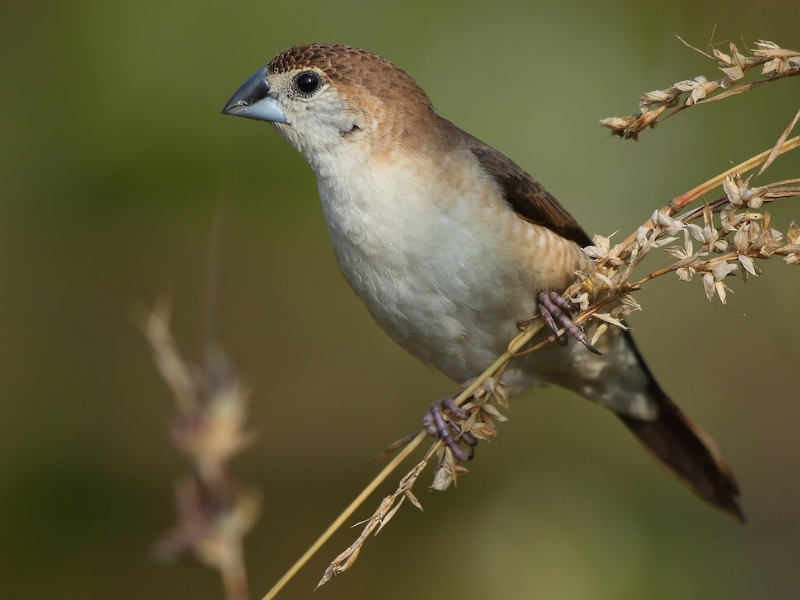
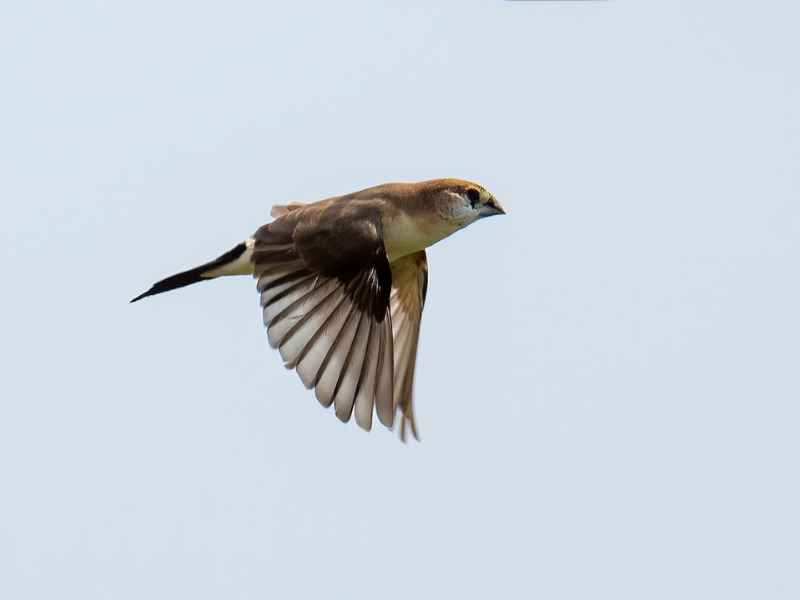
Indian silverbill

Euodice malabarica

Original range: The Indian subcontinent (India, Pakistan, Bangladesh, Nepal and others).
Arrival in Israel: First records from the 1980s, probably from birds that escaped from captivity.
Preferred habitats: Areas with grassy vegetation, shrubs and agricultural fields, usually near settlements.
Known distribution in Israel so far: A few scattered records, mainly in areas with agricultural fields and natural vegetation. Spreading from Eilat northwards along the Syrian–African Rift Valley to the hilly Jordan region. Not as common as sparrows or goldfinches.

Possible risks of spreading in natural habitats

  • Competition with native species: For food sources (seeds) and nesting sites.
  • Agricultural damage: May damage agricultural crops (grains).
  • Disease transmission: Potential risk of transmitting diseases to native songbirds.

Size and appearance

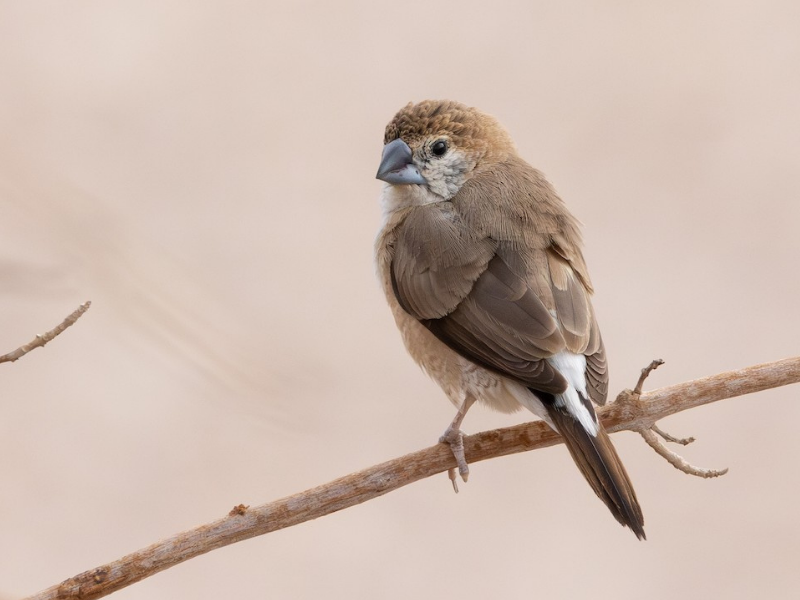
  • Small songbird (about 11 cm), pale brownish grey with a conical silvery grey bill and a relatively long tail.
  • Breeding: Nests in shrubs, low trees or in abandoned nests of other birds. Clutch size 4–8 eggs.
  • Social behaviour: Usually in small flocks.
  • Diet: Feeds mainly on grass seeds and grains.
  • Interesting information: Very popular among bird keepers.

Similar species and key identification features: Somewhat similar to the house sparrow, but smaller and with a characteristic silvery grey bill. Its colours are paler and less contrasting than those of the sparrow.

כסוף-מקור הודי. צילום: Albin Jacob
כסוף-מקור הודי. צילום: Rotem Avisar
כסוף-מקור הודי. צילום: Parthasarathi Chakrabarti
Questions and Answers

What are invasive species?

An invasive species is a species that has been introduced by human activity to an area outside its natural range, and has succeeded in establishing a population there that reproduces and spreads without further human intervention.

Why were these species chosen?

These species were selected based on a decision to focus on invasive species with the potential to harm terrestrial and forest ecosystems. While the damage potential of each individual species is not yet fully known, documenting them is important for building a database that will serve us once we better understand the impacts they cause and when decisions are made about prevention and management.

This site is registered on wpml.org as a development site. Switch to a production site key to remove this banner.