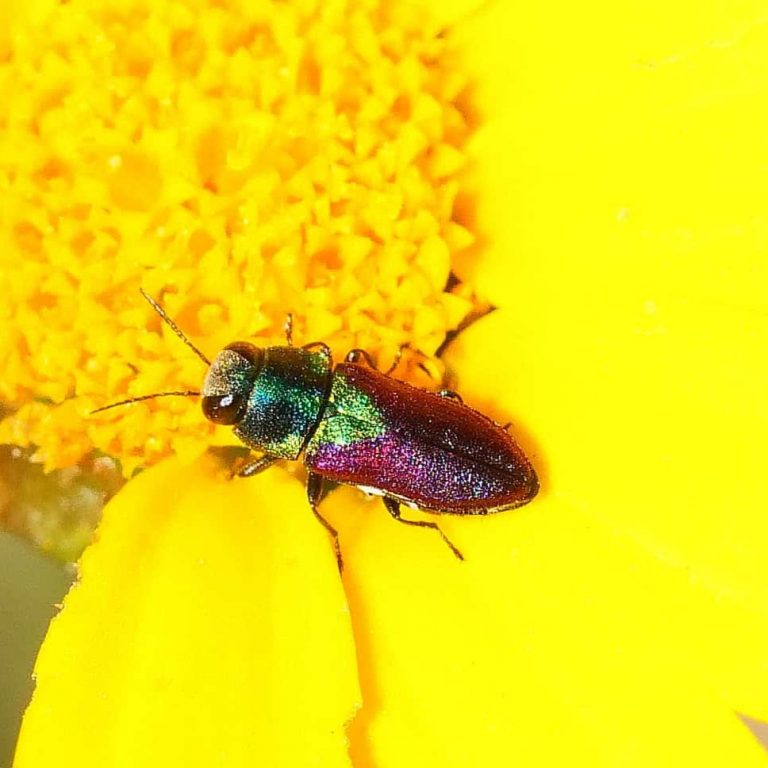
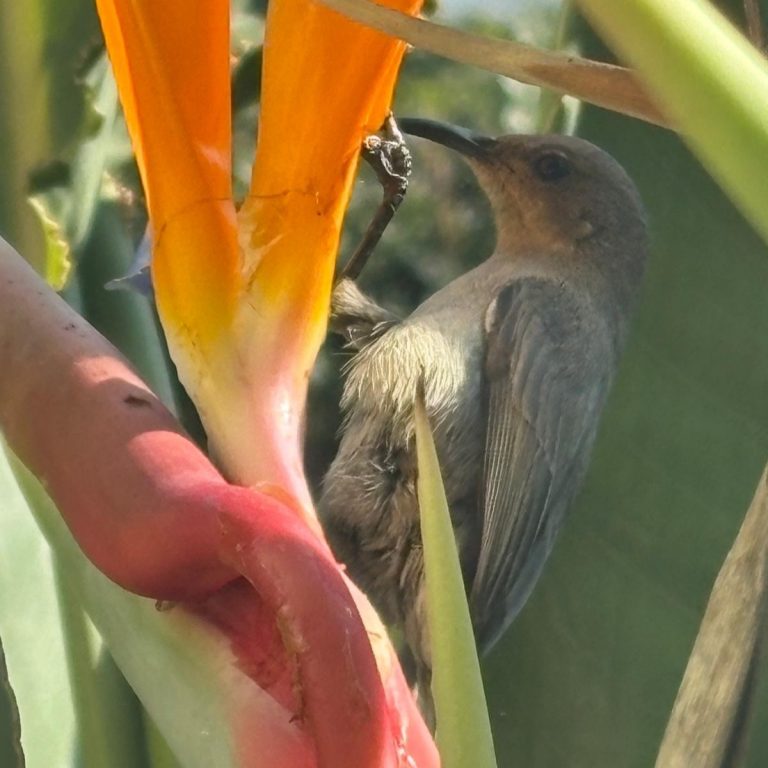
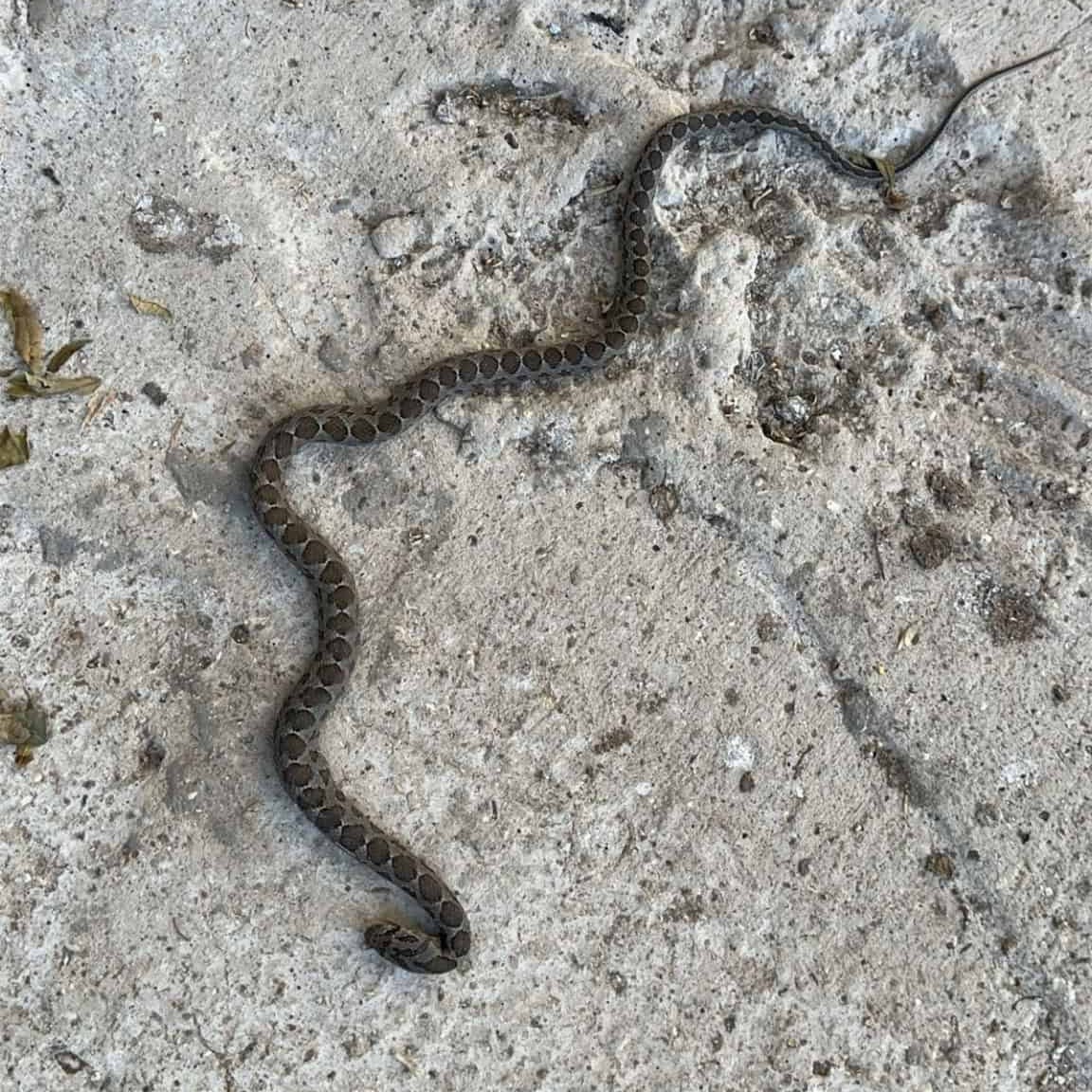
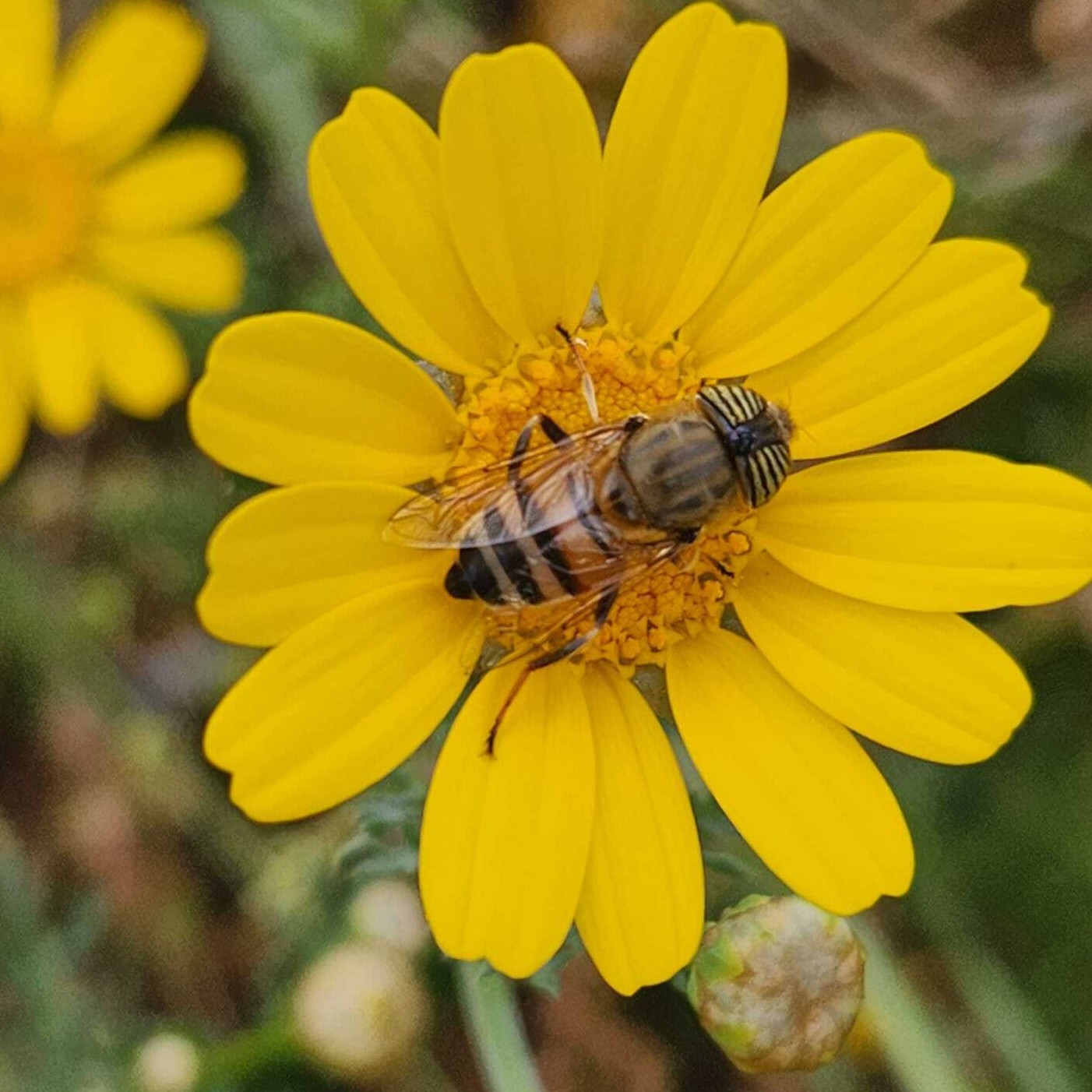
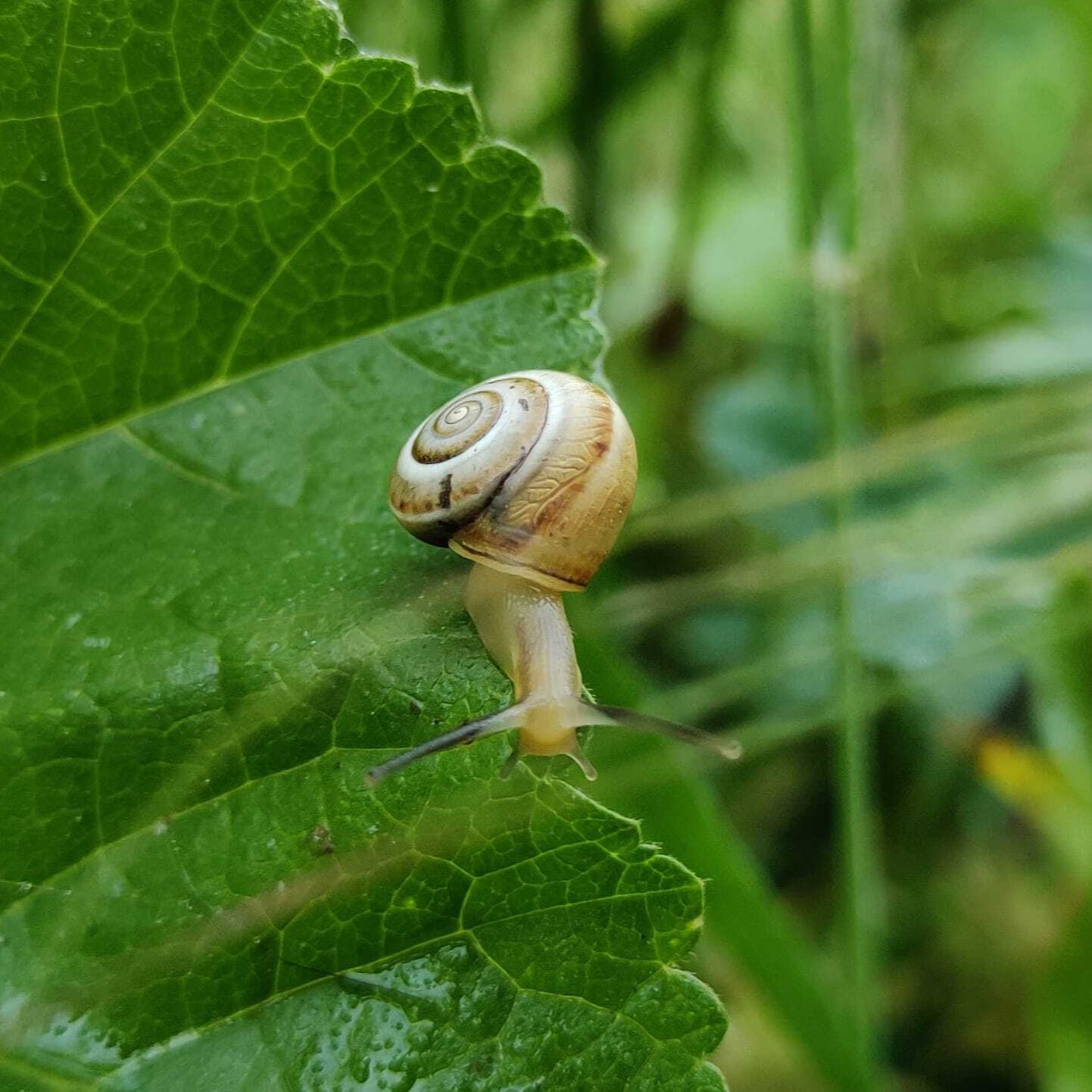
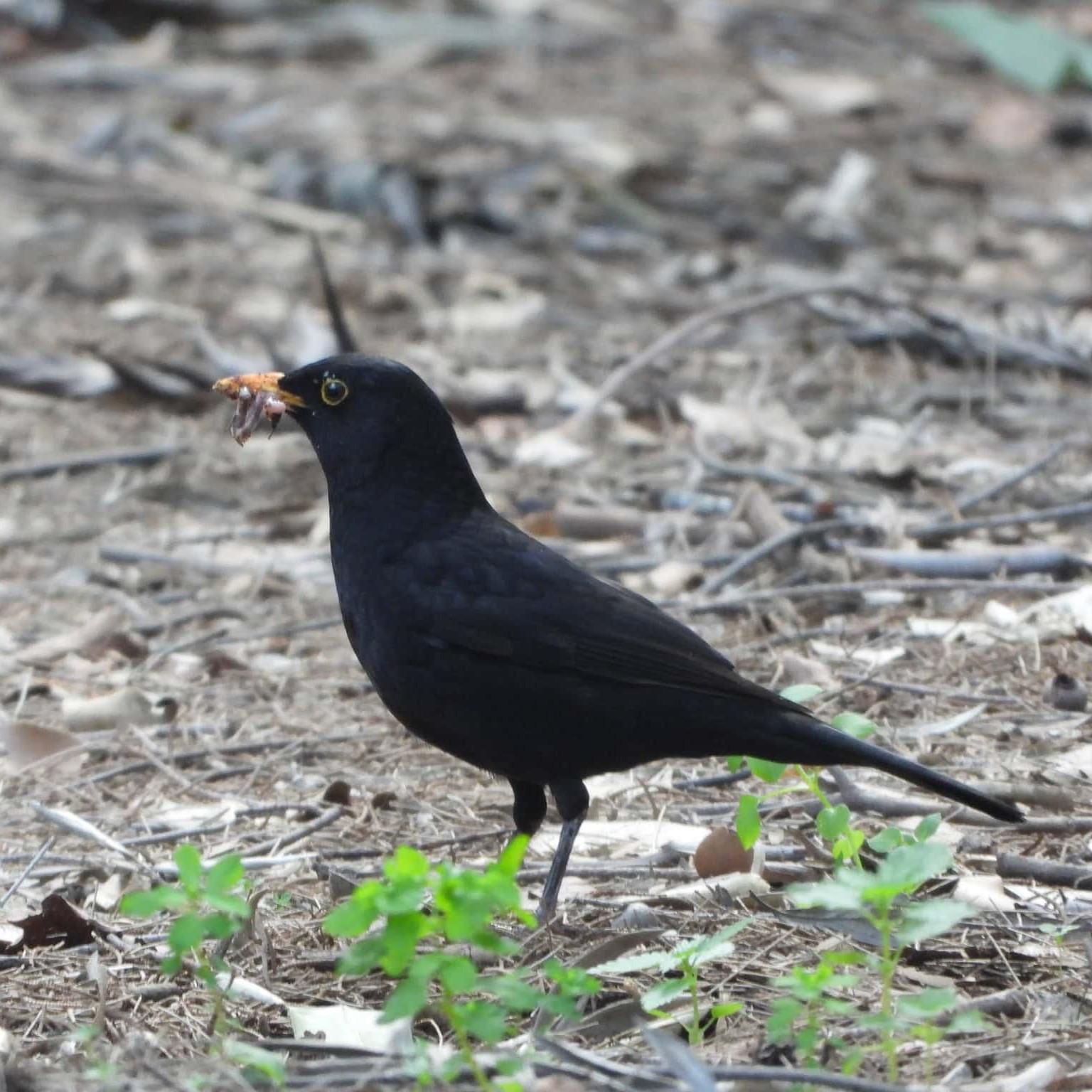
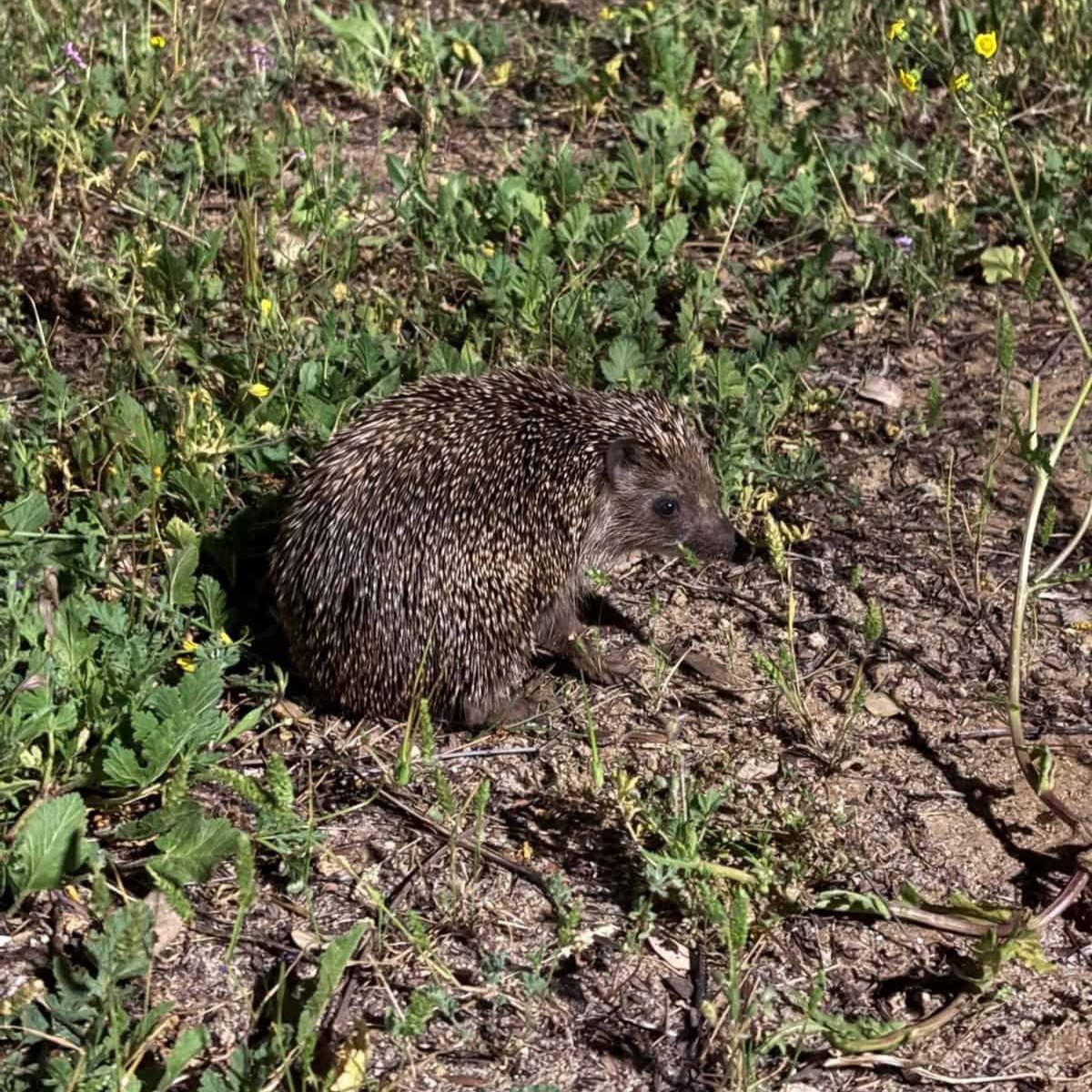
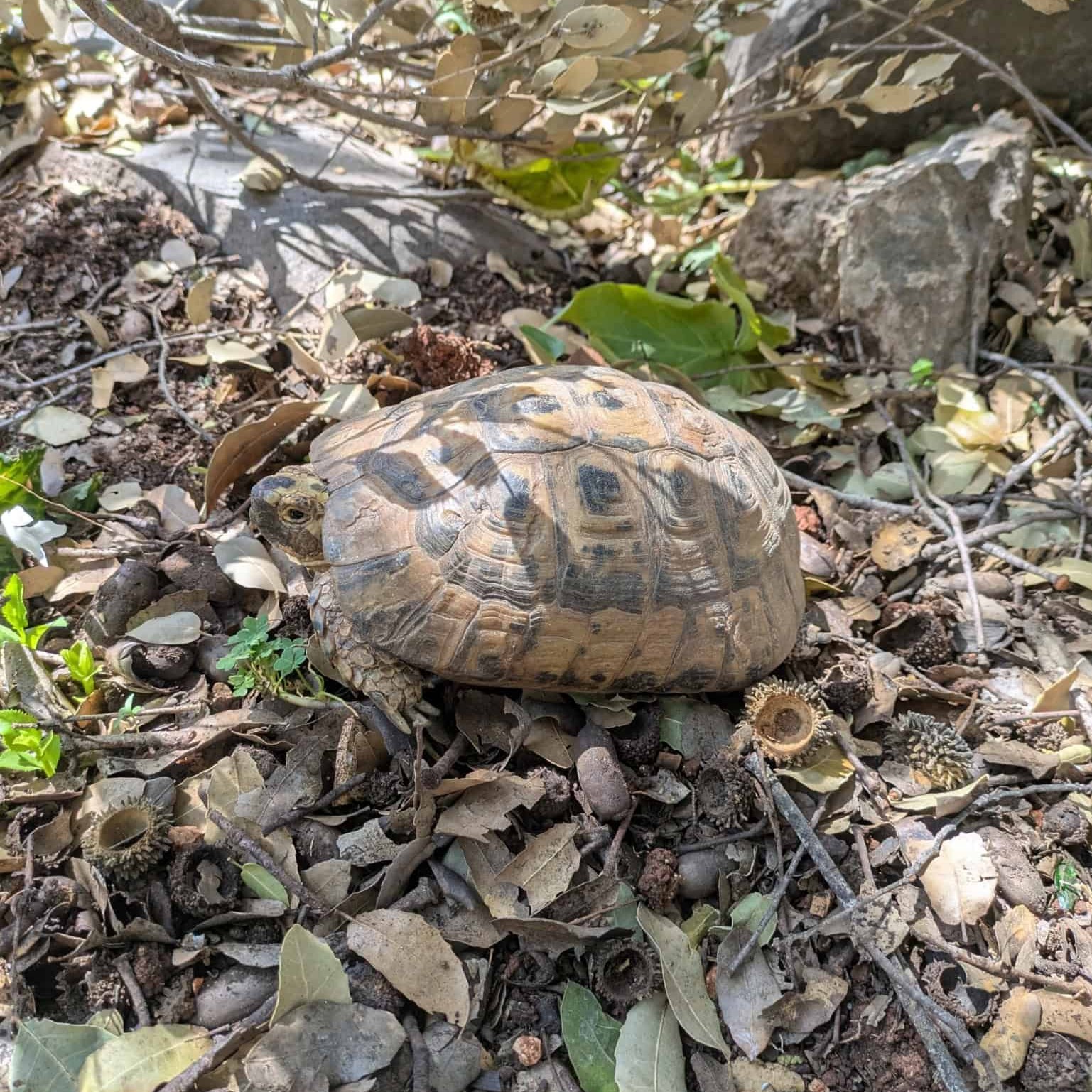
The Schoolyard Wildlife Challenge, which takes place throughout February, is designed to spark students’ natural curiosity and to remind all of us that nature is not found only in nature reserves and national parks, but is alive and present in every corner of our surroundings. Through the students’ curious eyes, we will discover together the rich diversity of wildlife that surrounds us: from lizards basking on the stones, to birds nesting in the trees, to insects in the cracks of the concrete.
Target Audience
האתגר מיועד בעיקר לתלמידי חטיבת ביניים, ניתן להצטרף מכיתה ד’ ועד י”ב.
Registration
To take part in the challenge, advance registration is required by the teachers. Teachers will guide students in how to use the app, oversee the quality of the observations, and lead classroom discussions about the findings and their ecological meaning..
No Duplicate Reports
The Schoolyard Wildlife Challenge uses iNaturalist, one of the world’s leading citizen science platforms for documenting observations of wild species. During the challenge, students will learn about the platform, how to use it, and how it contributes to research and nature conservation. Students will use the iNaturalist app to report different species found around the school.
Documentation
Students’ observations will automatically appear on a dedicated page created for the school, and will be counted for the competition between schools: the highest number of species, rare species, and interesting observations. The school that documents the highest number of species will receive a prize from the Steinhardt Museum of Natural History!
Support
For teachers: detailed instructions on using iNaturalist and involving students in the challenge, as well as lesson plans on species diversity, citizen science and nature conservation.
Location: Ideally, observations should be reported from the area around the school, but records from anywhere in the country are welcome.
Species: Avoid reporting domesticated species. Wildlife does not include pets or farm animals.
Duplicate reports: Each observation should be reported only once! Duplicate entries hurt the database and will not be counted toward the challenge.
Documentation: It is important that each observation includes a clear photo that allows the species to be identified.
The challenge takes place during the month of February, close to World Wildlife Day.
The challenge combines experiential STEM learning and includes detailed teaching units and professional support from the museum staff.